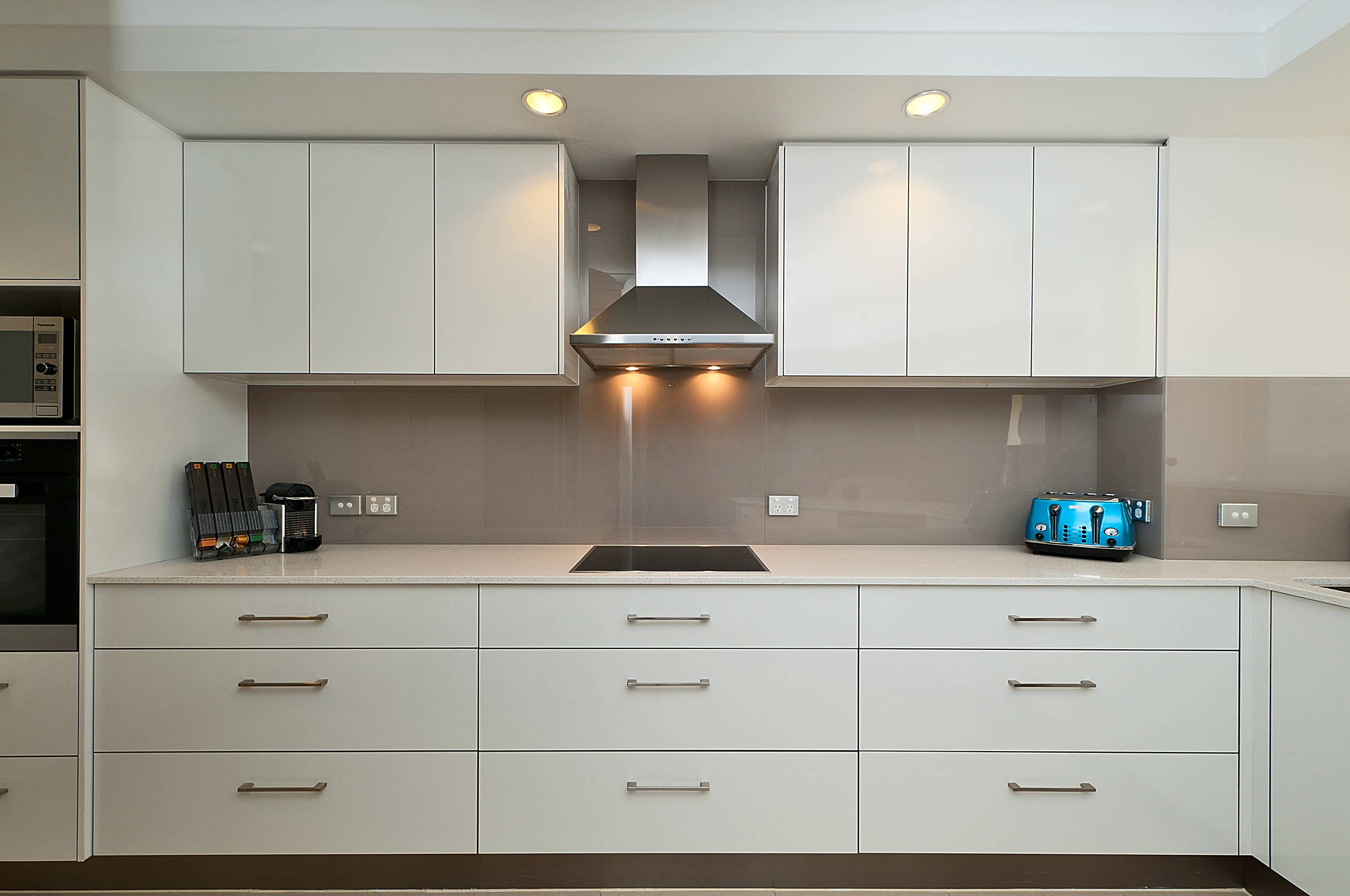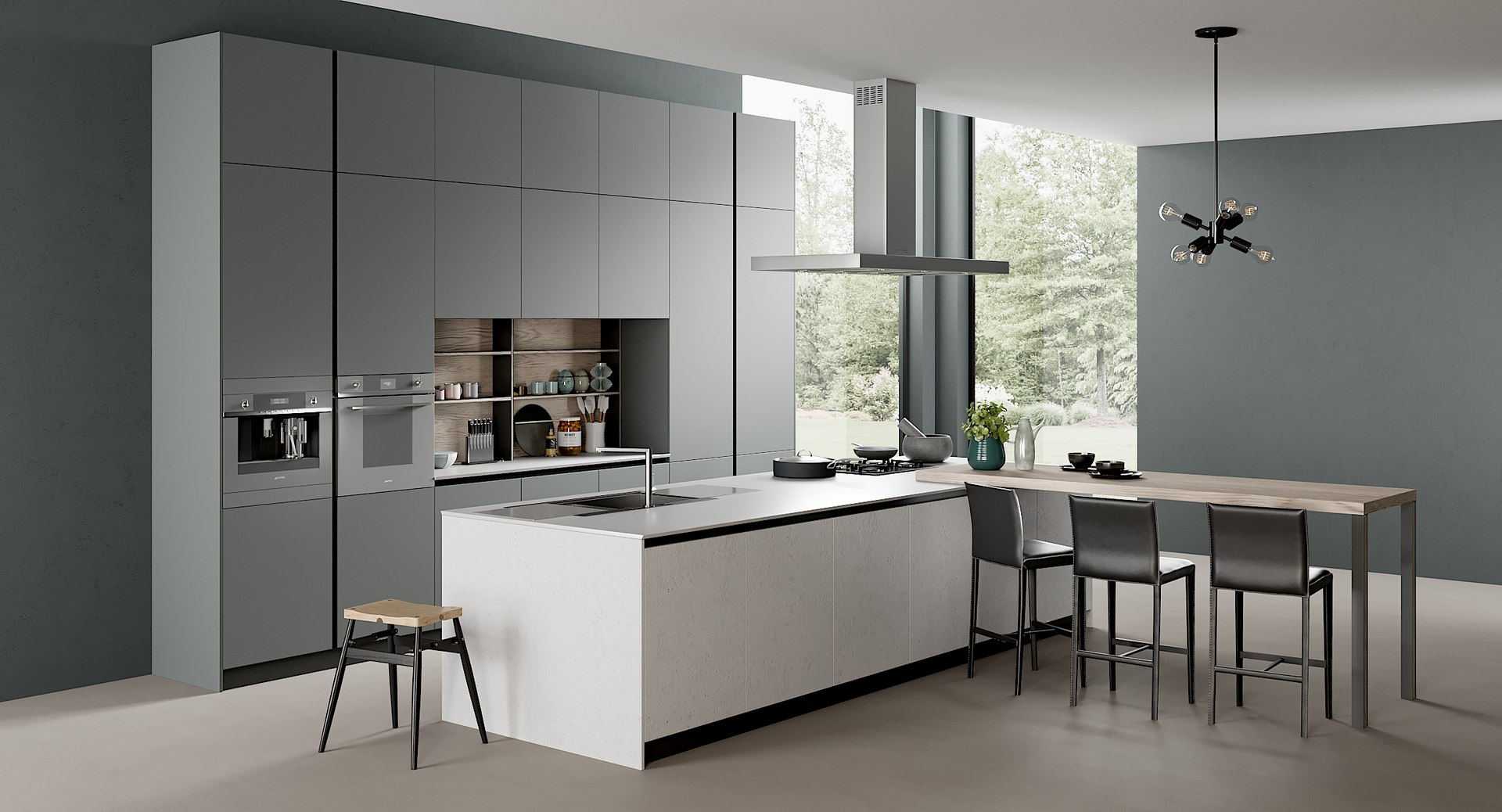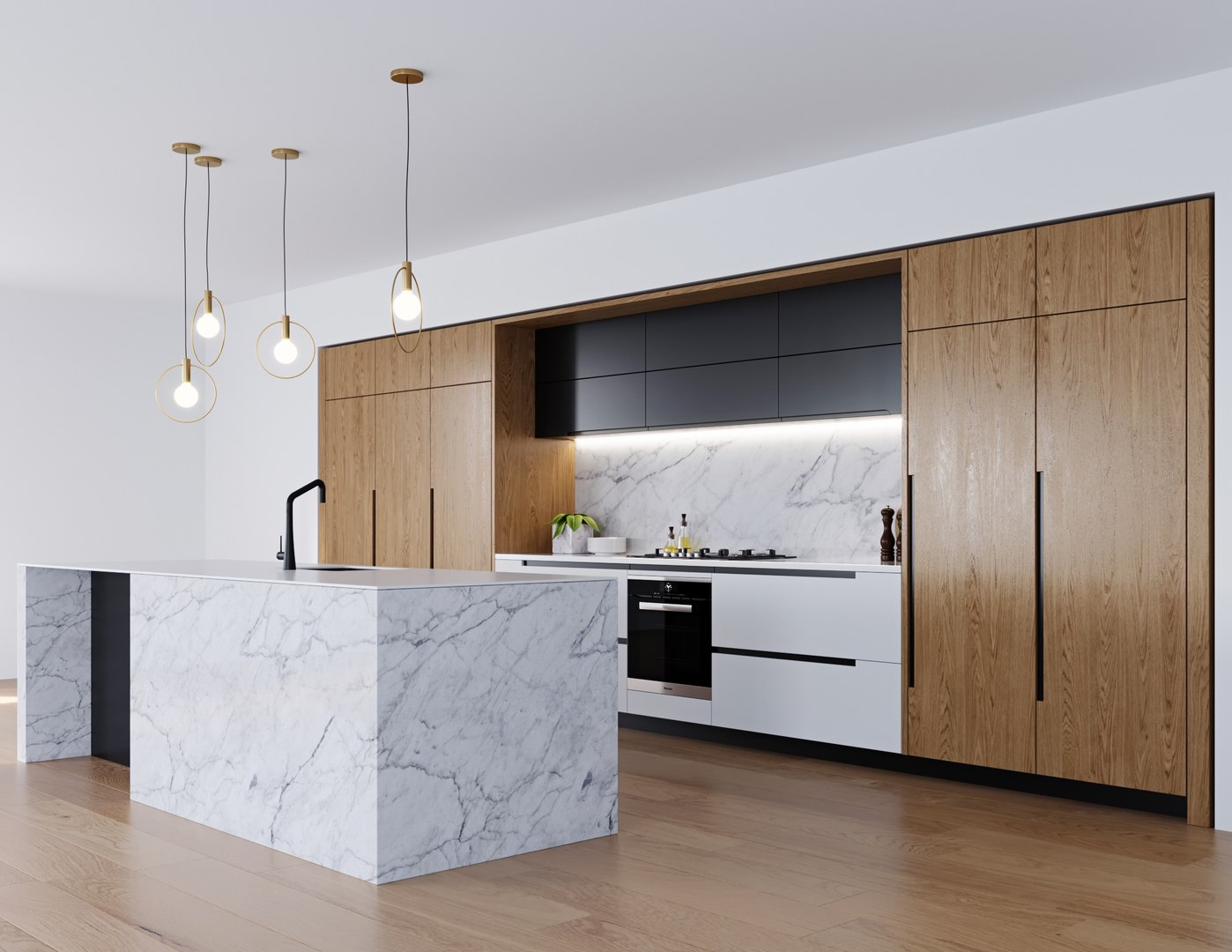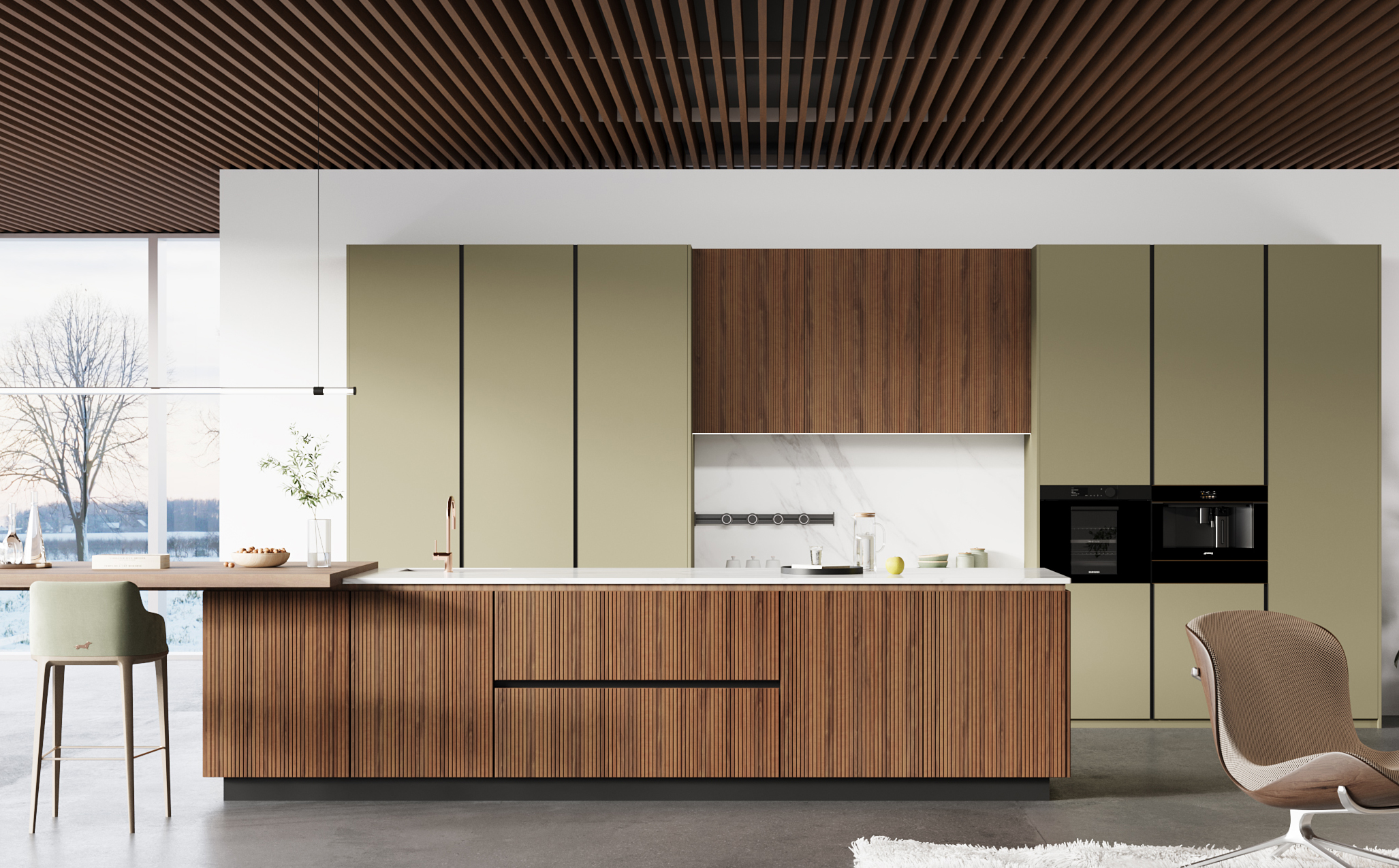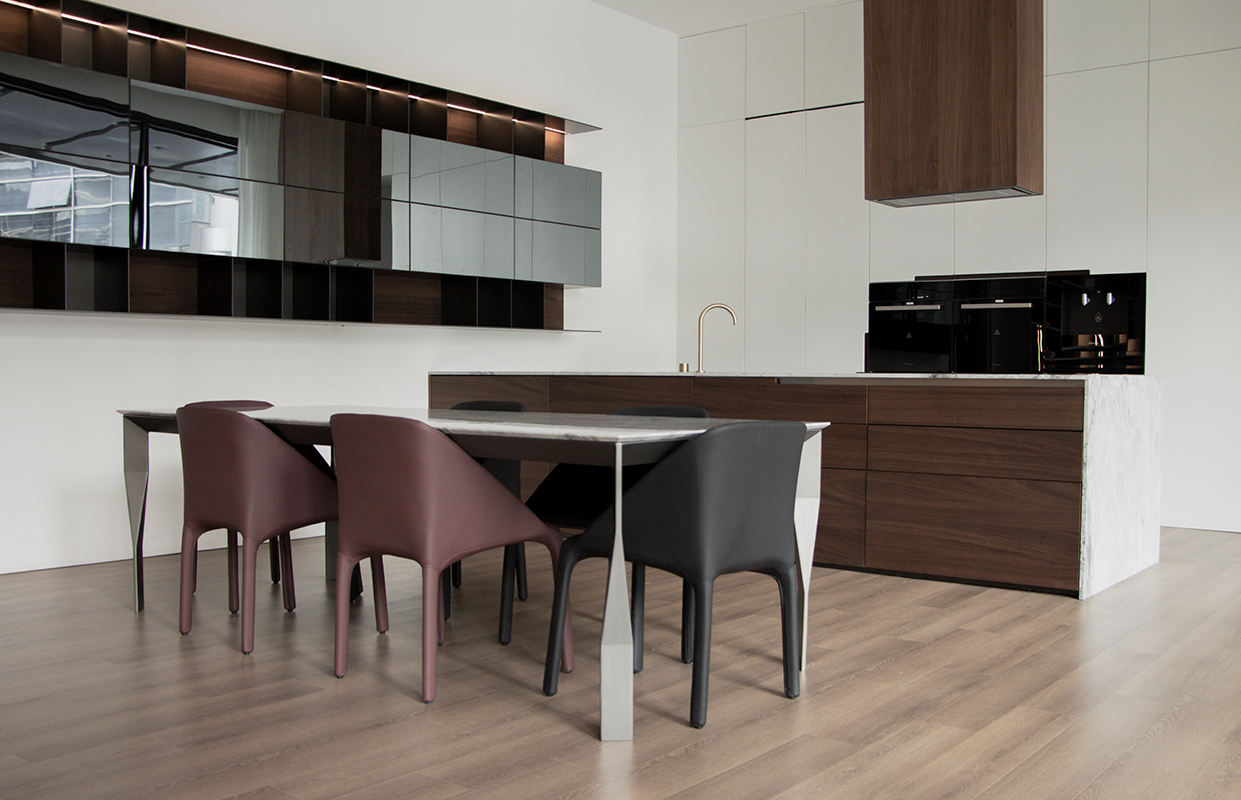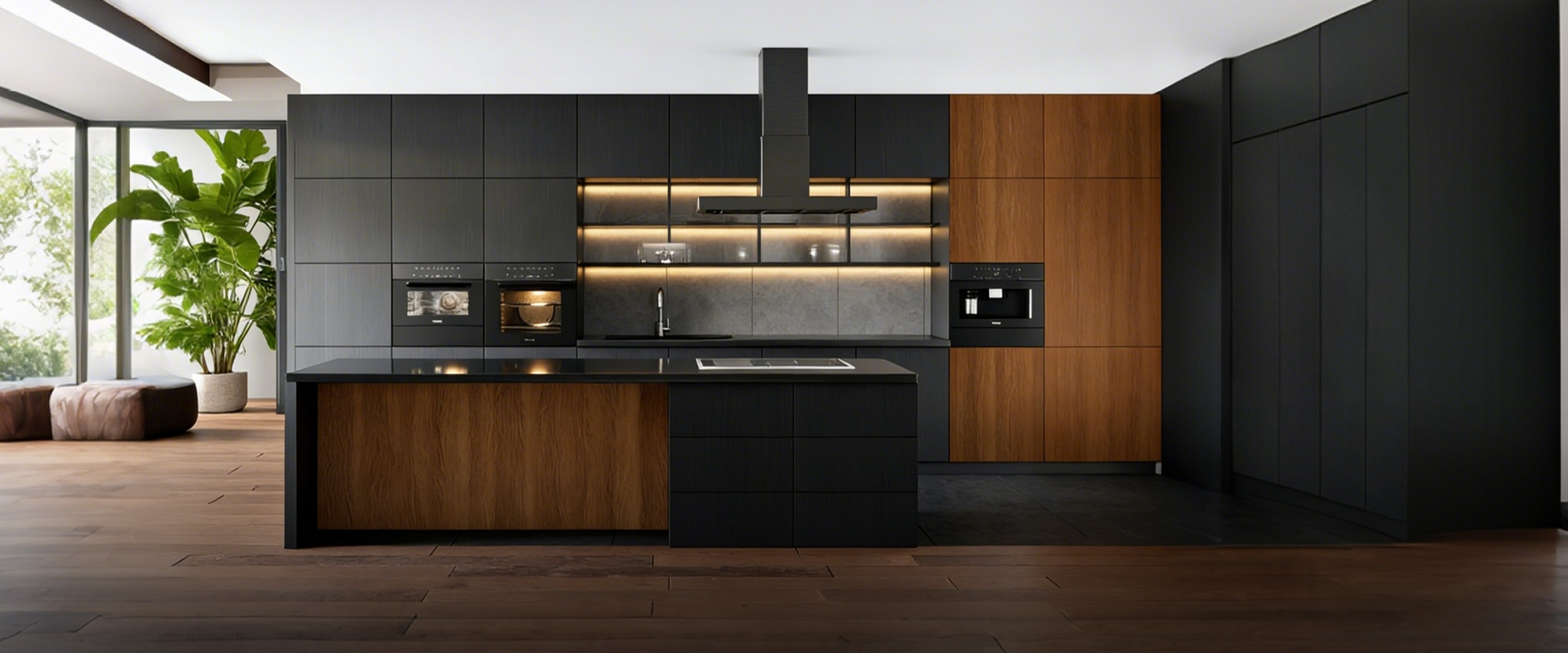
In modern kitchen design, both spatial awareness and visual experience are equally important. For hotel kitchens, catering businesses, and high-end residences, the kitchen is not only a place for cooking but also serves as a storage, display, and convenient workspace. Choosing the right cabinets can significantly enhance the sense of space while optimizing workflow. Modern kitchen cabinets design is the ideal solution to meet this need. Through reasonable design, layout, and material selection, modern kitchen cabinets can create a spacious and bright visual effect within limited spaces, providing a comfortable environment for kitchen operations.
Understanding the Role of Modern Kitchen Cabinets in Spatial Perception
Kitchen cabinets are not merely functional furniture in the kitchen; they are architectural elements that define the boundaries of space. Their volume, color, and lines directly influence the user's psychological perception of space. Through well-designed modern kitchen cabinets, a sense of spatial oppression can be effectively eliminated.
• Line Guidance: In modern kitchen cabinet design, emphasizing the continuity of horizontal or vertical lines is crucial. Horizontal lines can stretch the perceived width of a space, making a narrow kitchen appear deeper; while floor-to-ceiling vertical lines guide the eye upward, using visual illusion to increase the perceived height.
• Visual Adjustment: Traditional dark solid wood cabinets often give a sense of "heaviness." In contrast, modern kitchen cabinets tend to use floating designs, such as recessed baseboards or bottom lighting strips, making the base cabinets appear to float on the ground. This lightness is key to enhancing the sense of spaciousness.
• Color Application: Color is the most direct factor affecting the feeling of space. Light-colored (such as white, beige, and light gray) modern kitchen cabinets have a high light reflectivity, which can increase the brightness of the room through diffuse reflection, thereby psychologically eliminating the feeling of cramped space.
Key Elements of Modern Kitchen Cabinets Design that Enhance Space
The key to enhancing the sense of space lies in simplifying details and integrating functions. Handleless designs, built-in appliances, and large, flat panels are the most representative space-expanding elements in modern kitchen cabinet design.
• Handleless Design: Physically protruding handles not only pose a risk of bumping into things in narrow spaces but also disrupt the integrity of the facade. In modern kitchen cabinet design, using 45-degree beveled handles or recessed metal handle grooves creates a continuous and smooth surface. This minimalist facade reflects more light, allowing the cabinets to blend naturally into the architectural background, like a wall.
• Slab Doors: Unlike European or American style doors with decorative frames, modern kitchen cabinets often feature a minimalist slab design. Undecorated, flat surfaces minimize shadows. This design not only enhances the visual modernity but also reduces the difficulty of daily maintenance.
• Integrated Appliances: If refrigerators, ovens, and dishwashers are placed separately, it disrupts the visual continuity. Professional modern kitchen cabinet design emphasizes the integration of appliances and cabinetry. Custom-designed appliance concealment panels make the entire kitchen appear as a cohesive wall cabinet system.
The combination of open shelves and glass display cases: While fully enclosed cabinets offer ample storage, they can create visual clutter. Adding backlit glass cabinets or open shelves to sections of modern kitchen cabinets creates a sense of perspective, making the walls appear farther away than they actually are.
Layout Strategies to Improve Spatial Perception
A scientific layout plan forms the framework for space optimization. Combining open-plan designs and floor-to-ceiling cabinets, modern kitchen cabinet design achieves the best balance between function and visual appeal.
• Open and Semi-Open Layouts: Breaking down the physical partition between the kitchen and living room is a mainstream trend. In modern kitchen cabinet design, the island is often used as a medium for spatial transition. The island not only provides an additional food preparation area but also visually acts as the "center of gravity" of the space, making the open space appear more layered and uncluttered.
• Maximizing the Use of Linear and L-Shaped Layouts: For small apartments, a linear layout is the most space-saving solution. By incorporating pull-down baskets or magic corner systems into modern kitchen cabinets, previously inaccessible corners can be utilized without increasing the floor space, thus keeping the countertop tidy.
Materials and Finishes for Visual Expansion
The application of high-gloss lacquer, ultra-matte PET finishes, and metallic textures can infuse modern kitchen cabinets with multi-dimensional textures and adjust the spatial atmosphere through their reflective or light-absorbing properties.
• High-Gloss Lacquer: High-gloss surfaces have a mirror-like reflective effect, allowing light to shine into the darker corners of the kitchen. When choosing white or light gray high-gloss modern kitchen cabinets, this reflective property enhances the sense of openness.
• PET and Ultra-Matte Finishes: While matte finishes lack strong reflectivity, their warm, sophisticated texture absorbs excessive, stray light, making the space appear tranquil and orderly. In modern kitchen cabinet design, fingerprint-resistant matte finishes reduce visual clutter caused by stains, maintaining the cleanliness of the facade.
• Wood Veneer: Natural textures bring warmth to modern spaces. The horizontal grain of wood visually "expands" the wall surface.
Practical Tips to Maximize Visual Space in Kitchens
By integrating lighting systems, color coordination, and smart storage, the practicality and visual spaciousness of modern kitchen cabinets can be comprehensively enhanced.
• Integration of multi-layered lighting systems: Installing recessed LED light strips under wall cabinets eliminates shadows on the countertop. This not only facilitates operation but also illuminates the walls, making the outlines of modern kitchen cabinets clearer and more three-dimensional.
• Monochromatic color scheme: In small kitchens, the wall color should be highly consistent with the modern kitchen cabinets. This design blurs the boundary between the cabinets and the walls, creating the illusion of a larger space.
• Application of smart internal storage systems: Modern kitchen cabinet design should make extensive use of inner drawers, pull-out baskets, and built-in recycling bins. The fewer items on the countertop, the stronger the visual sense of space.
Conclusion
People increasingly seek products that balance high turnover with high quality. As an expert in this field, AIS Kitchen understands that the value behind every modern kitchen cabinet lies not just in a few pieces of wood, but in how it empowers the architectural space through professional design.
We are committed to combining state-of-the-art manufacturing processes with cutting-edge modern kitchen cabinet design concepts. In AIS Kitchen's product philosophy, every wasted inch of space represents a loss of quality of life.