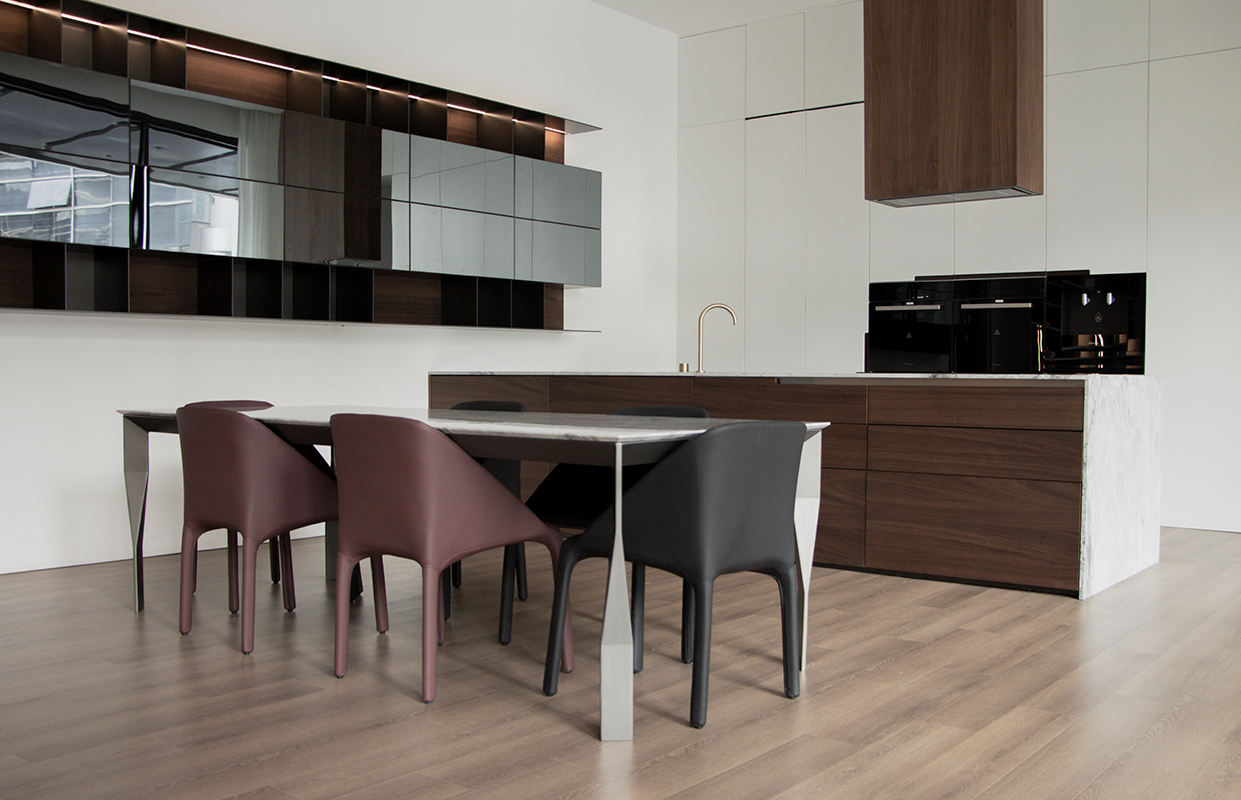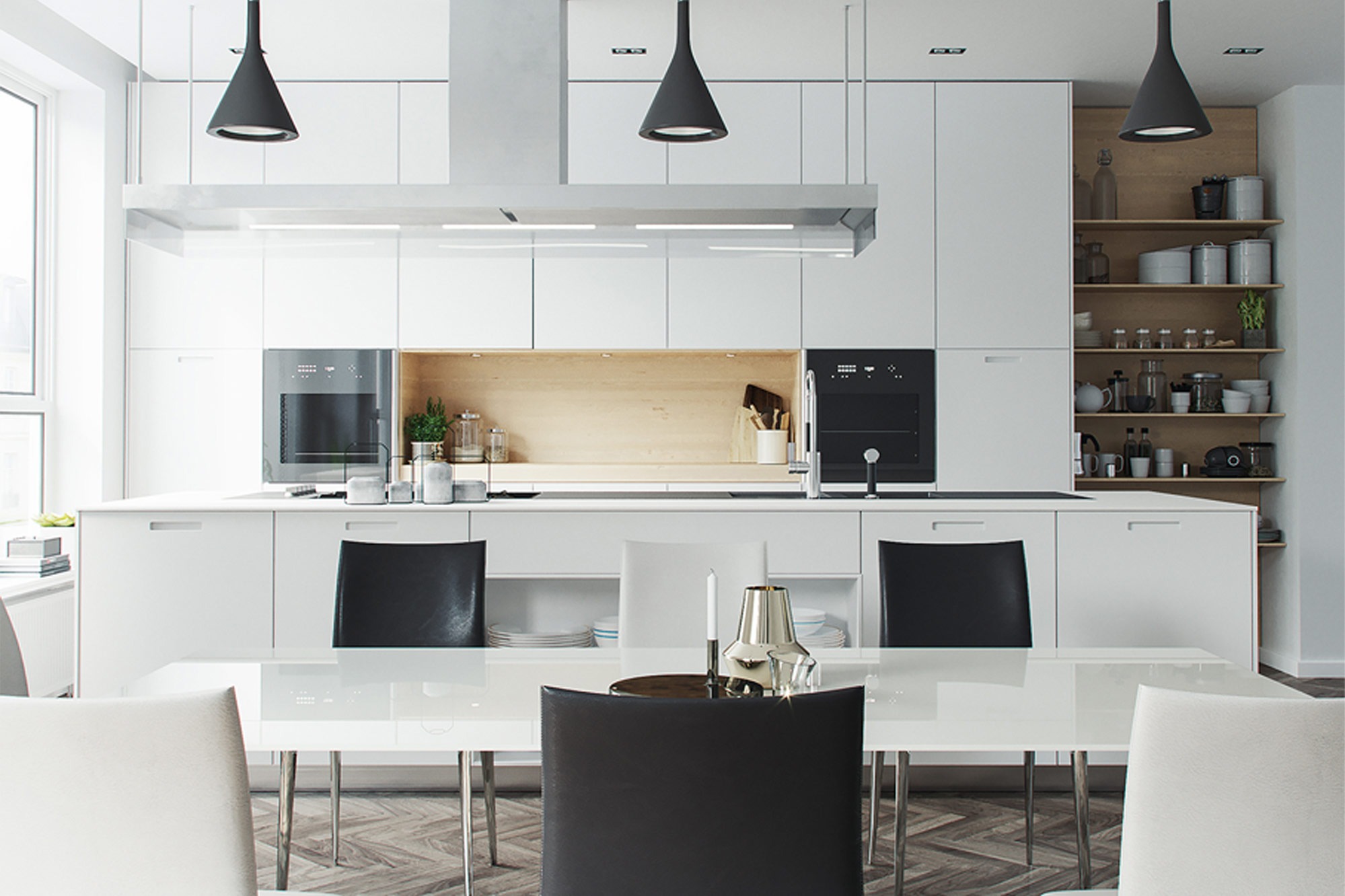
In large-scale residential projects, commercial real estate projects, and engineering deliveries, the kitchen system is always one of the key factors influencing overall efficiency and cost control. The larger the project scale, the higher the requirements for standardized design, production consistency, delivery schedule, and installation efficiency. The traditional custom model can still be flexibly adapted to small-scale projects, but in large-scale projects, it often exposes problems such as long cycle, high communication costs, and high rework rate.
For this reason, more and more designers and builders are beginning to pay attention to the systematic advantages brought by modular kitchen cabinets. Through the modular design and manufacturing method, large-scale projects can significantly improve the overall execution efficiency while ensuring functionality and quality. During this process, kitchen cabinets manufacturers with a mature system often play a decisive role.
What Is Modular Kitchen Cabinet
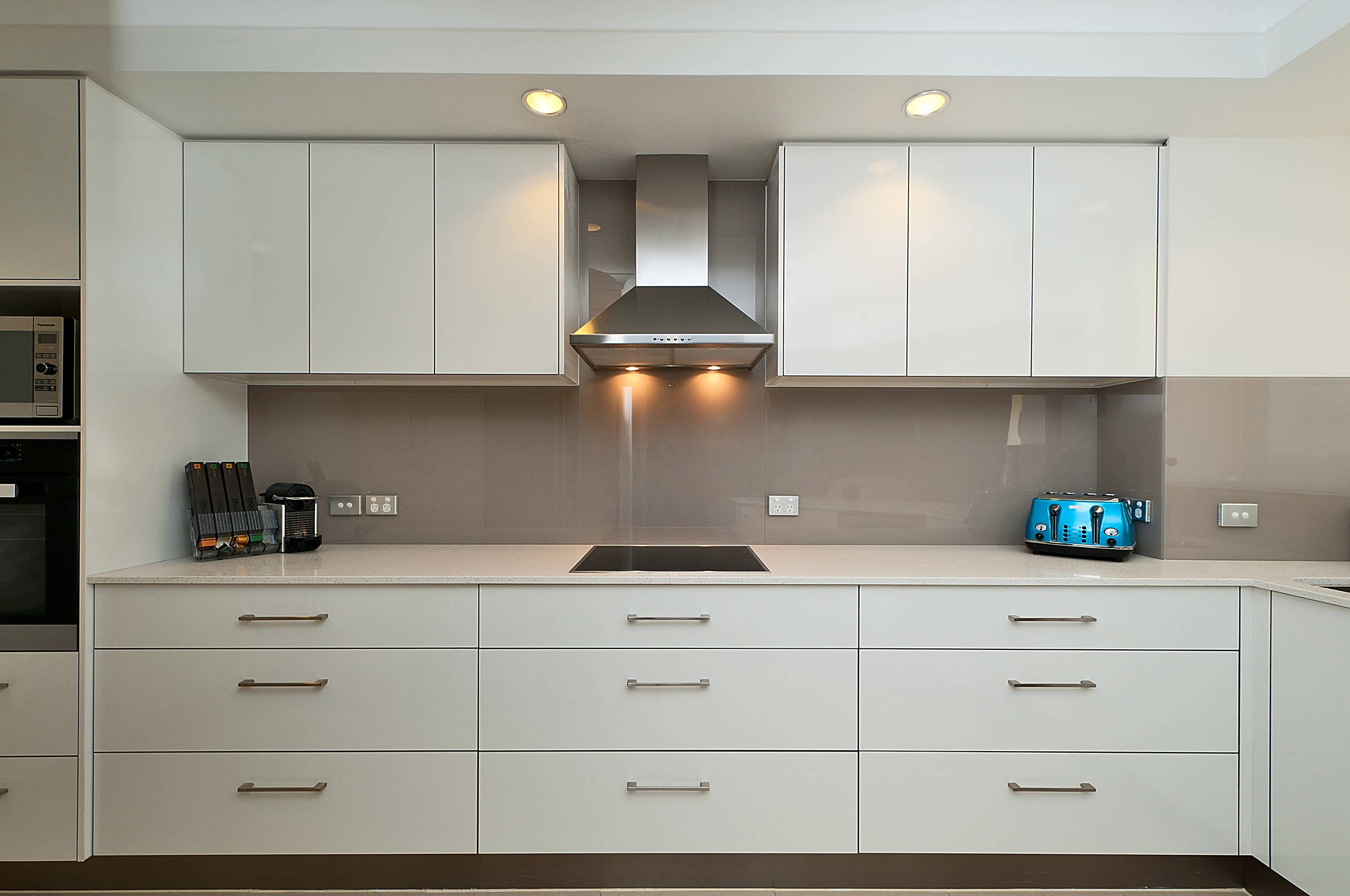
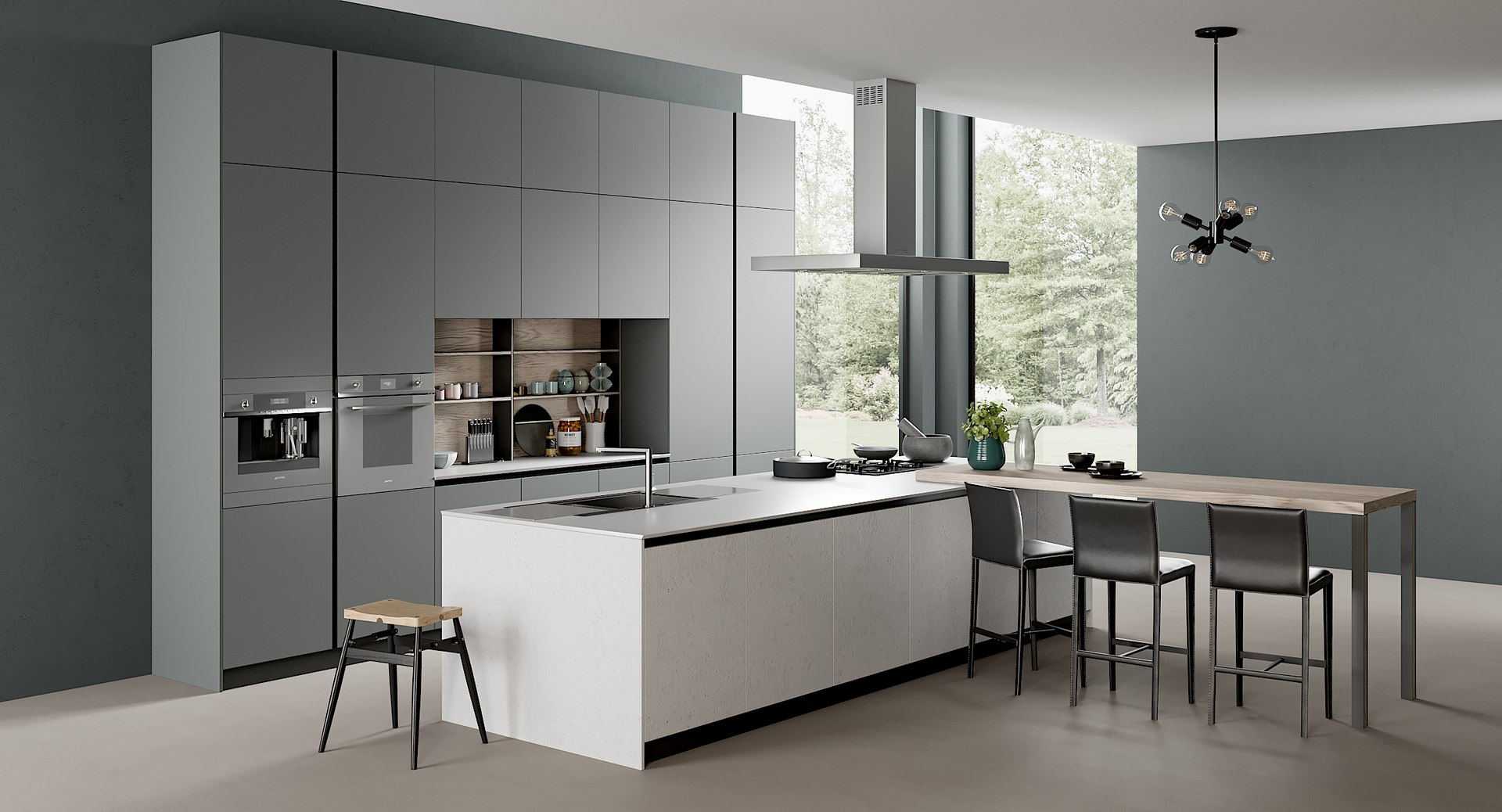
Modular kitchen cabinets refer to the division of kitchen cabinetry into multiple standardized functional modules, such as base cabinets, wall cabinets, functional units, and internal storage systems. These modules adhere to unified standards in dimensions, structure, and interfaces, allowing them to be combined according to different project requirements without necessitating a complete redesign each time. Modular kitchen cabinets are not merely “simple assembly kits,” but rather a kitchen system built upon standardized module logic. This approach enables highly efficient and consistent delivery in large-scale projects.
Compared with traditional custom-made cabinets, modular kitchen cabinets have obvious advantages in the following aspects:
• Structural standardization: The core cabinet body and connection methods are unified, reducing design complexity.
• Combination flexibility: The layout can be adjusted based on the standard modules to meet the needs of different floor plans.
• Production is reproducible: Suitable for mass production, ensuring product consistency
• Project adaptability is strong: particularly suitable for large-scale projects such as residential developments, hotels, and apartments.
Due to this systematic feature, modular kitchen cabinets have become an important solution for enhancing efficiency in large-scale projects.
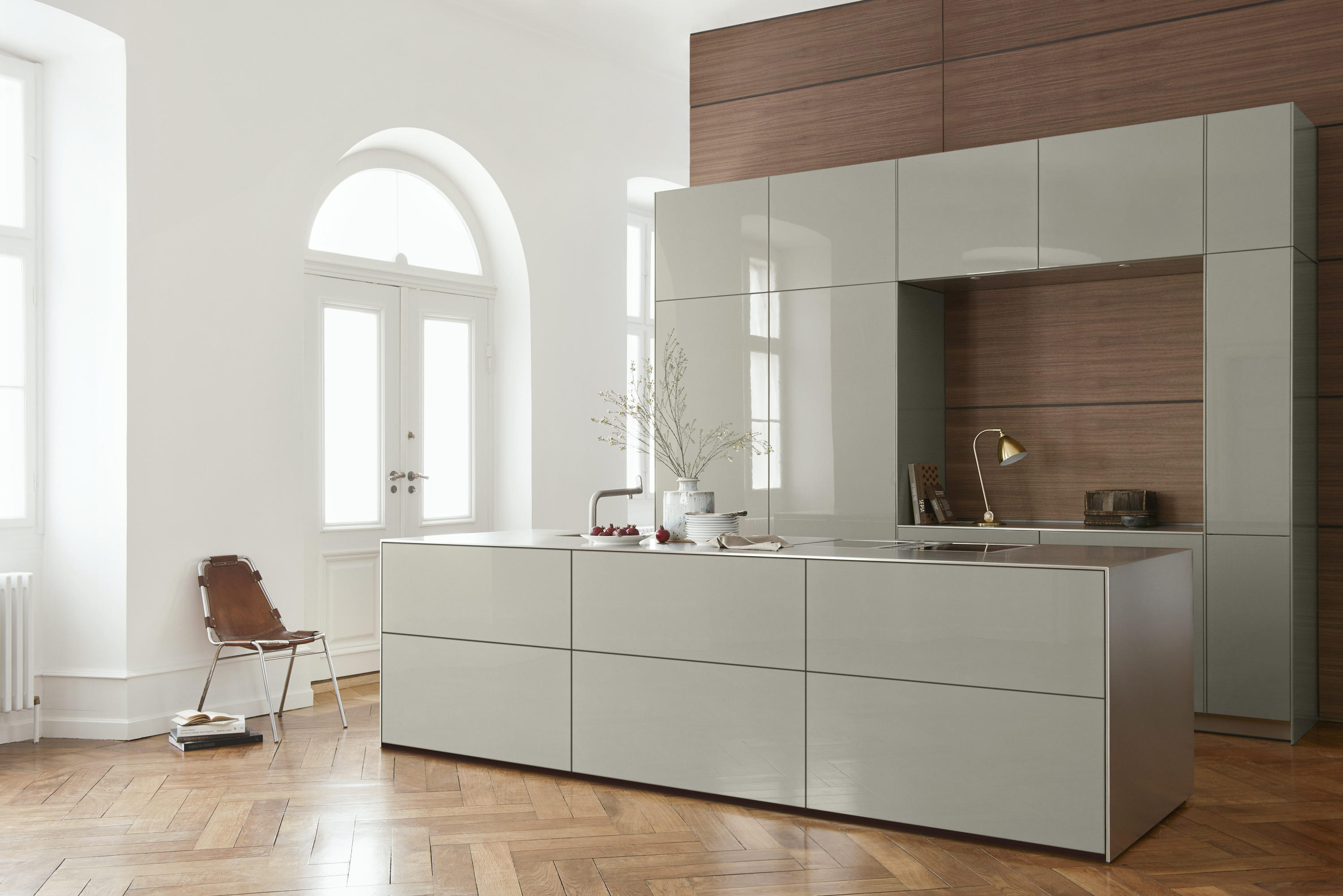
How Modular Kitchen Cabinets Streamline Project Execution
In large-scale projects, modular kitchen cabinets can significantly enhance the overall execution efficiency because they systematically optimize the key aspects such as design, production, logistics, and installation from the project's inception to final delivery. This efficiency improvement is not a single-point improvement but a collaborative outcome throughout the entire project cycle.
1. Achieving Design Standardization in the Early Project Phase to Reduce Iterative Revisions
In large-scale residential or commercial projects, kitchens often involve hundreds or even thousands of units. With traditional custom approaches, each floor plan variation could necessitate a complete redesign, substantially increasing communication and confirmation costs.
Modular kitchen cabinets enable design teams to rapidly establish standardized solutions early in the project through predefined cabinet dimensions, structural interfaces, and functional modules. Adjustments are then made only for specific spatial requirements or special needs. This approach not only minimizes repetitive design work but also facilitates rapid replication of design solutions across different buildings or phases.
2. Optimizing Production Schedules for Stable Batch Manufacturing
From a manufacturing perspective, the modular system provides kitchen cabinet manufacturers with a clear and predictable production logic. Standardized modules can be scheduled in advance, avoiding production disruptions caused by frequent changes.
In large-scale projects, this stability is particularly crucial. The modular production model enables manufacturers to maintain quality consistency while enhancing equipment utilization and production efficiency, thereby shortening the overall delivery cycle and effectively reducing unit costs.
3. Enhance Supply Chain Collaboration and Reduce Project Risks
The modular structure makes the bill of materials clearer and supply chain management more controllable. For large-scale projects, this means that the procurement of raw materials, component processing, and final assembly can be carried out simultaneously, rather than waiting for each other.
The mature modular kitchen cabinet system is usually already in a stable matching relationship with the upstream materials and hardware, which helps to reduce the risk of project delays caused by supply fluctuations.
4. Simplify On-site Installation Processes
During construction, modular cabinets are often delivered to the site as semi-finished or finished products. Installers simply assemble and secure them according to a predetermined sequence. This approach significantly lowers the technical barriers for on-site construction while minimizing human operational errors.
For large-scale projects, improved installation efficiency not only shortens construction timelines but also effectively reduces on-site management and labor costs.
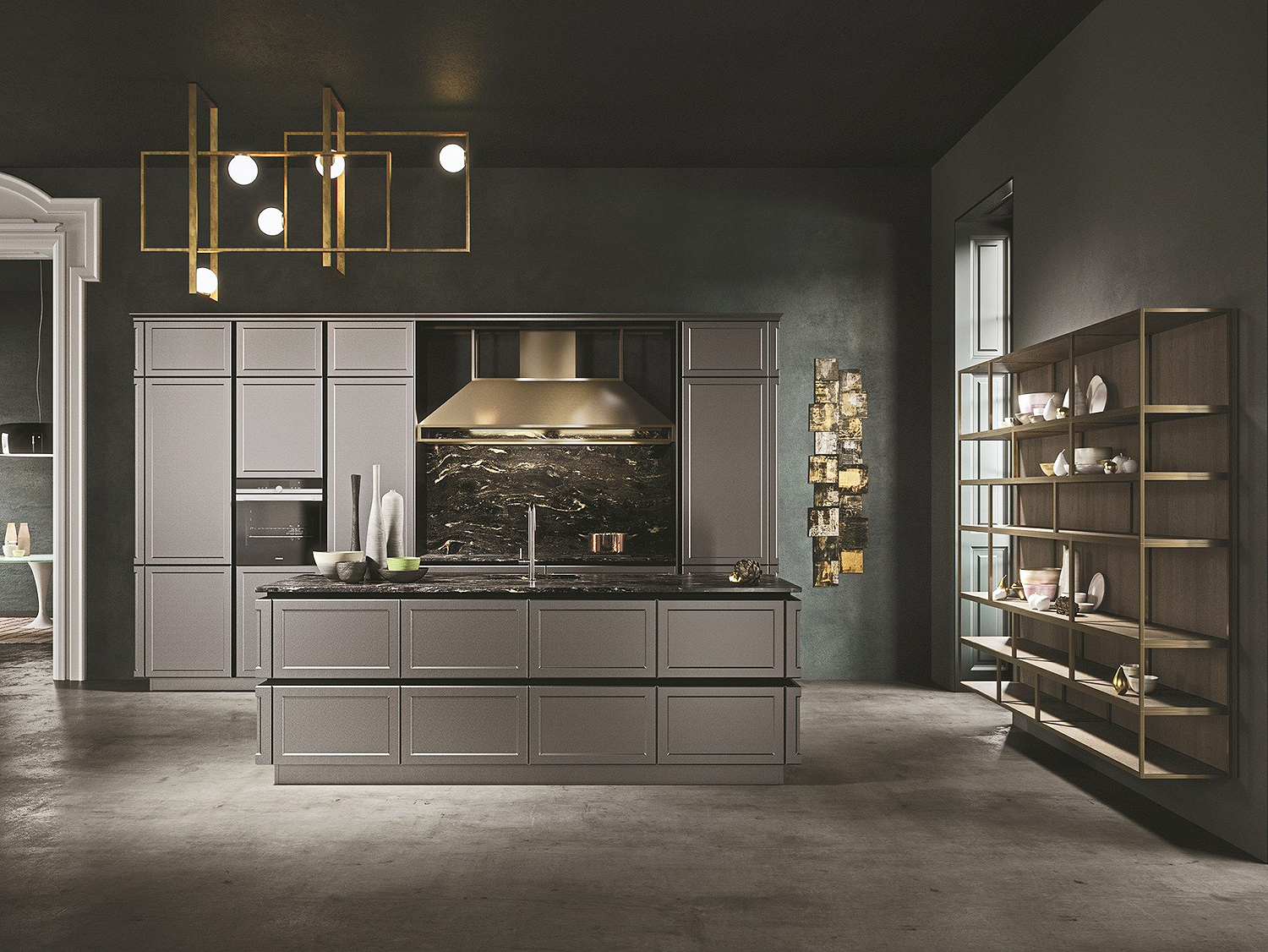
Modular Kitchen Designs That Balance Standardization and Flexibility
Excellent modular kitchen designs do not sacrifice flexibility for efficiency; rather, they reserve ample room for adjustments to meet diverse project requirements while adhering to unified standards. This balance is the key reason modular kitchens are widely adopted in large-scale projects.
1. Building an Expandable Design System Based on Core Modules
Modular kitchen design typically centers on a set of core cabinet modules, such as base cabinets, wall cabinets, and functional units. These modules maintain high consistency in dimensions and structure while offering exceptional flexibility in configuration.
By arranging and combining different modules, design teams can rapidly adapt to varying unit sizes and spatial layouts without redesigning the entire system. This design logic makes modular kitchen designs both efficient and adaptable for large-scale projects.
2. Achieving Flexible Configuration at the Functional Level
While maintaining uniform external structures, modular design permits diverse internal functional configurations. For instance, different projects can select varied storage systems, drawer combinations, or appliance integration methods based on their positioning.
This “uniform exterior, flexible interior” design philosophy enables modular kitchen cabinets to simultaneously meet the demands of standardized production and personalized usage.
3. Supporting Continuous Upgrades in Modern Kitchen Trends
As user demands change, modern kitchen cabinets increasingly emphasize functional integration, ease of use, and long-term maintenance costs. Modular design provides a solid technical foundation for these trends.
When the project requires upgrading the configuration or adjusting the functions, the modular structure can facilitate the adjustment without large-scale reconfiguration, which is particularly important for long-term operation projects.
4. Ensuring Visual Consistency and Elevating Project Quality
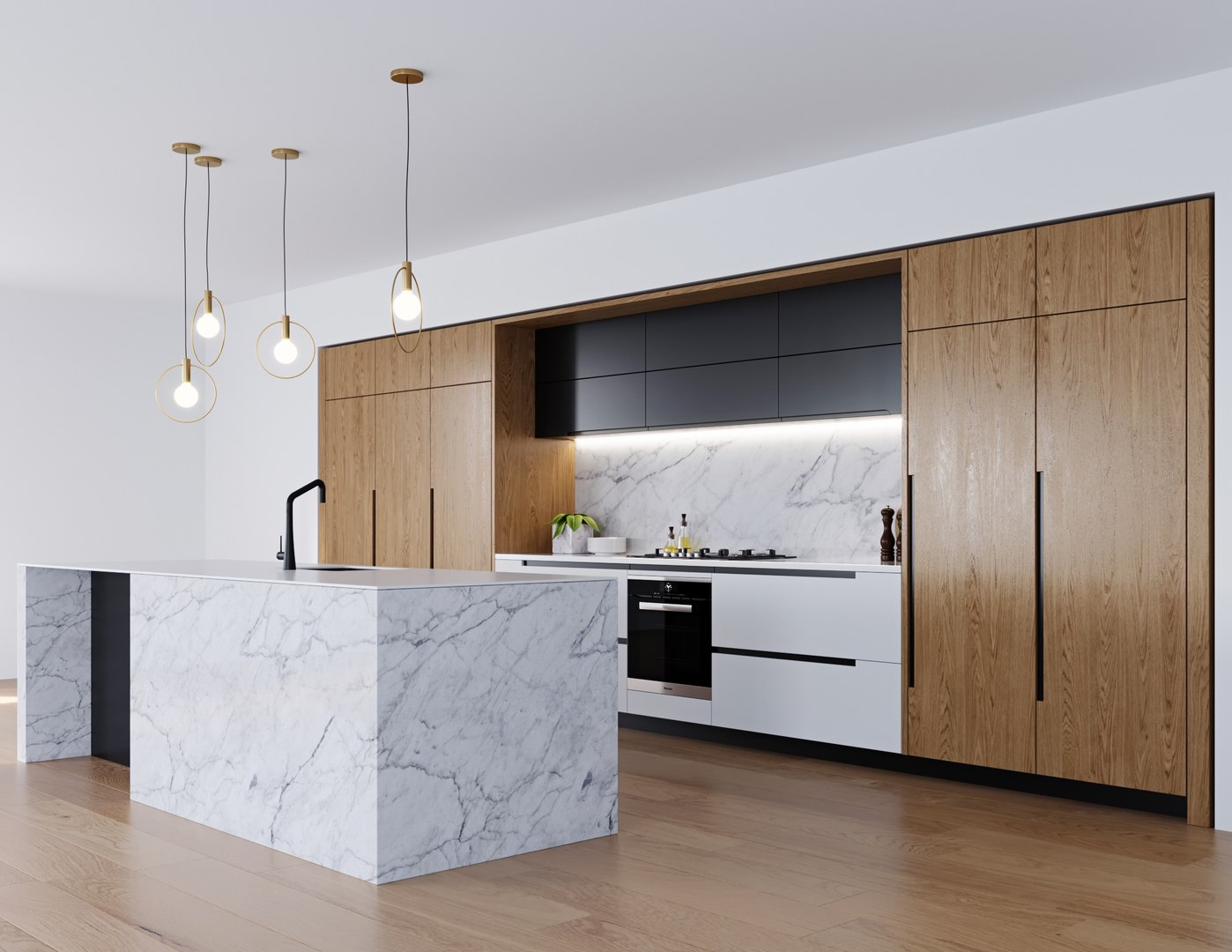
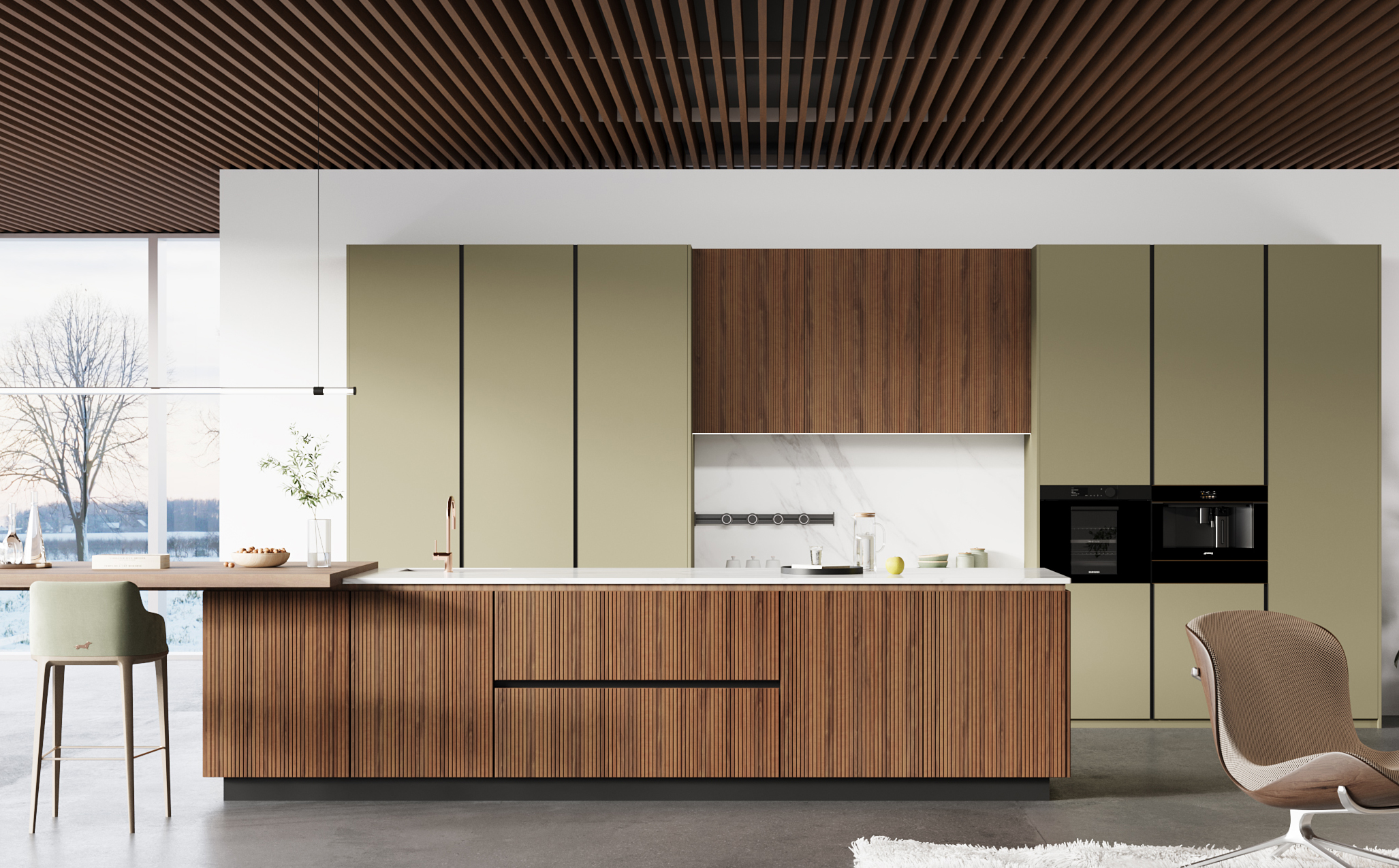
In large-scale projects, visual unity directly impacts overall perceived quality. Modular kitchen design maintains consistent aesthetics during mass delivery through unified proportions, lines, and structural logic.
Simultaneously, surface materials and detail configurations can still be differentiated based on project positioning, enabling modular kitchen designs to strike an optimal balance between standardization and aesthetic appeal.
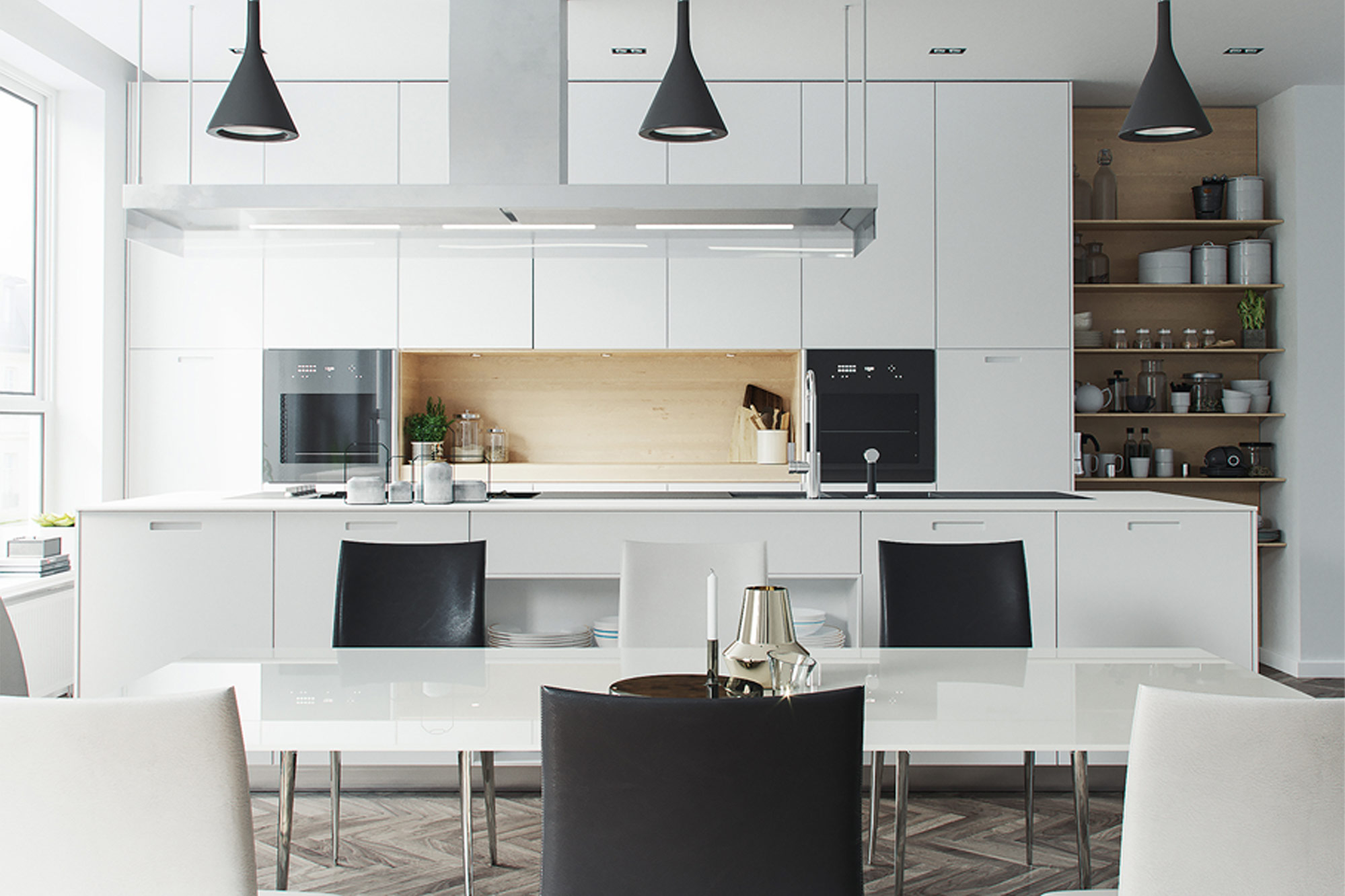
modern kitchen cabinets
How to Choose the Modular Kitchen Cabinets Manufacturers for Large Projects
In large-scale projects, choosing the right kitchen cabinets manufacturers is not merely a product procurement decision; it is also a systematic choice that affects project efficiency, risk control, and long-term operation. Manufacturers with modular capabilities are often able to continuously create value for clients throughout the entire project cycle.
When evaluating suppliers, the following aspects can be given particular attention:
1. Whether they truly possess a modular system.
Not all manufacturers have a mature modular kitchen cabinet system. It is necessary to distinguish between "modular design" and "temporary assembly".
2. Whether they have experience in large-scale projects.
Manufacturers that have served large residential or commercial projects have a better understanding of the difficulties in batch delivery.
3. Whether the production and delivery capabilities match the project scale.
Stable production capacity and clear delivery schedule management are crucial for project risk control.
Conclusion
Overall, modular kitchen cabinets have become an important solution in large-scale projects for enhancing efficiency, controlling costs, and ensuring quality. However, what truly determines the success or failure of a project is not only the product itself, but also the system capabilities and professional experience of the kitchen cabinets manufacturers behind it.
In the global supply chain environment, manufacturers with a mature module system, stable production capacity, and international project experience can provide more reliable support to the project parties. The professional kitchen system brand represented by aiskitchen, through modular thinking and manufacturing capabilities, offers efficient and sustainable kitchen solutions for projects of different scales.
FAQ
Q1: Will modular kitchen cabinets limit the design style?
A1: Mature modular kitchen designs do not restrict the style; instead, they support diverse appearances and configurations based on a standard structure.
Q2: Is modular kitchen suitable for high-end projects?
A2: Yes, many modern kitchen cabinet projects also adopt a modular system to ensure quality and delivery stability.
Q3: Why do many projects choose kitchen cabinets from China?
A3: Kitchen cabinets from China have a well-established supply chain, a mature manufacturing system, and extensive international project experience, making them suitable for large-scale procurement needs.