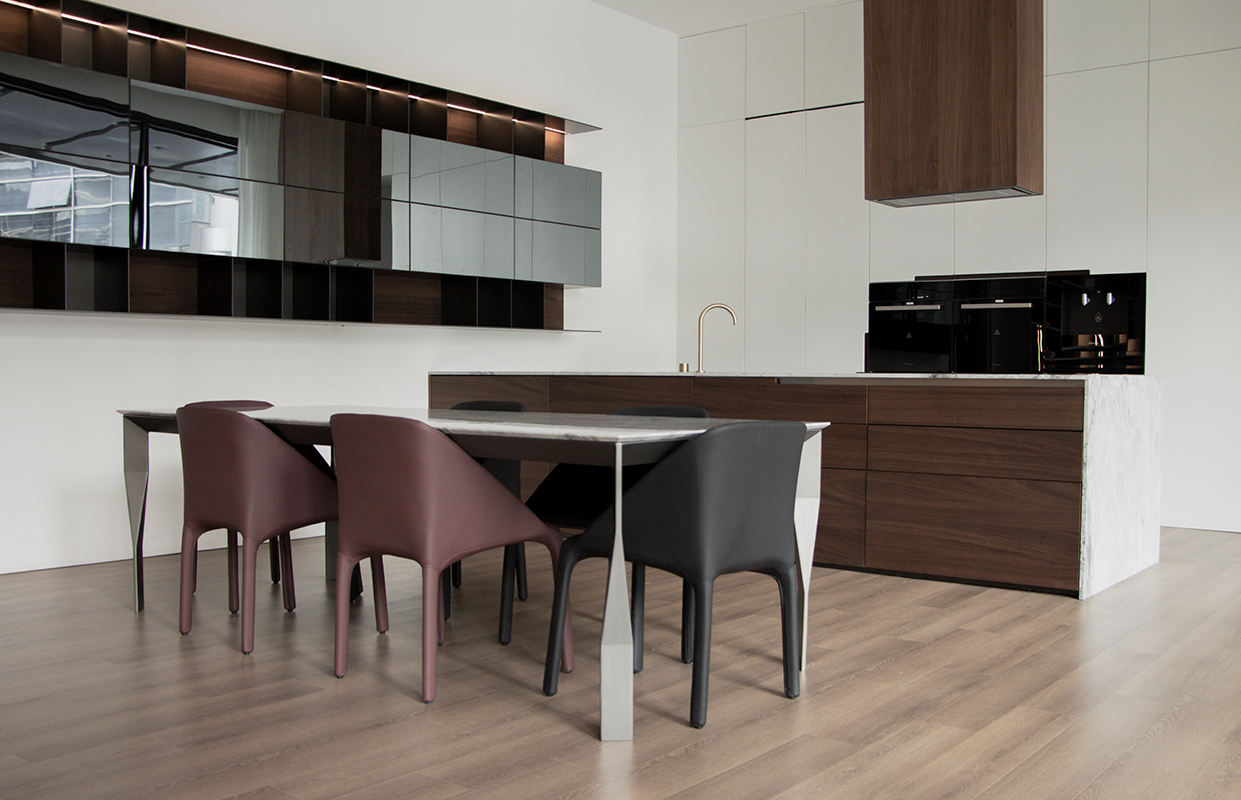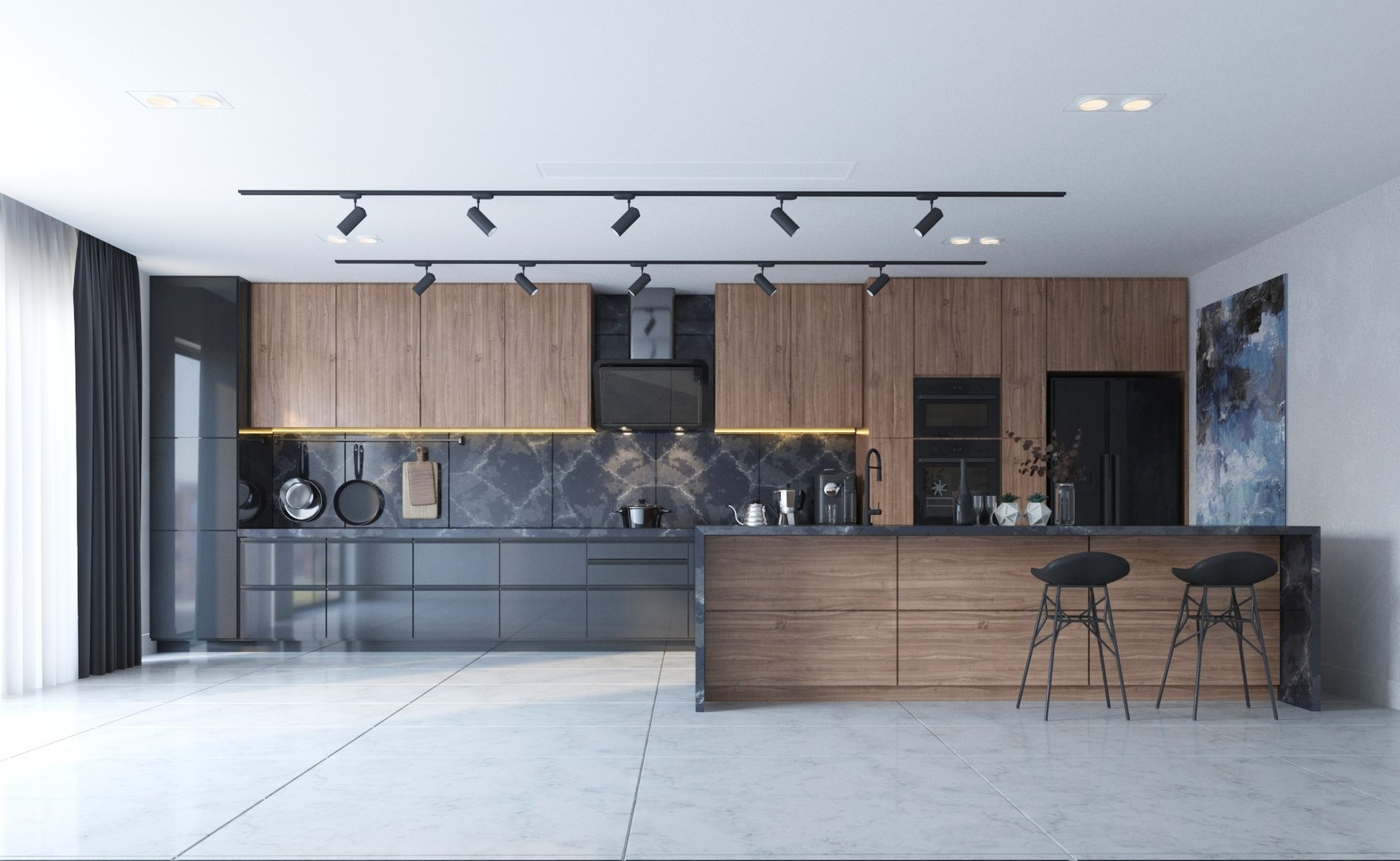
As environmental awareness continues to influence purchasing decisions, both residential and commercial projects are shifting toward long-term, responsible solutions. Within this transformation, sustainable kitchen cabinets have emerged as a central element, combining environmental responsibility with aesthetics, performance, and customization.
In the context of modern kitchen design, cabinets are no longer viewed as simple storage units. They define spatial structure, visual identity, and functional efficiency. This article explores why sustainable cabinet solutions are becoming the future standard for modern kitchens and how developers, designers, and contractors can leverage them for long-term value.
The Evolution of Modern Kitchen Design
Modern kitchen design has evolved from a purely functional space into a carefully planned environment where design, usability, and sustainability intersect. Cabinets, as the most dominant physical component of a kitchen, play a crucial role in this evolution.
Sustainability as a Core Design Driver
Sustainability has gradually shifted from an optional feature to a core design requirement. This change is driven by several factors:
• Stricter environmental regulations in construction and interior projects.
• Growing awareness of indoor air quality and health impacts.
• Long-term cost considerations for developers and property owners.
• Market demand for eco-conscious residential and commercial spaces.
As a result, sustainable kitchen cabinets are no longer viewed as an alternative solution. They are increasingly becoming the default choice for forward-thinking projects that align with modern design principles and long-term environmental goals.
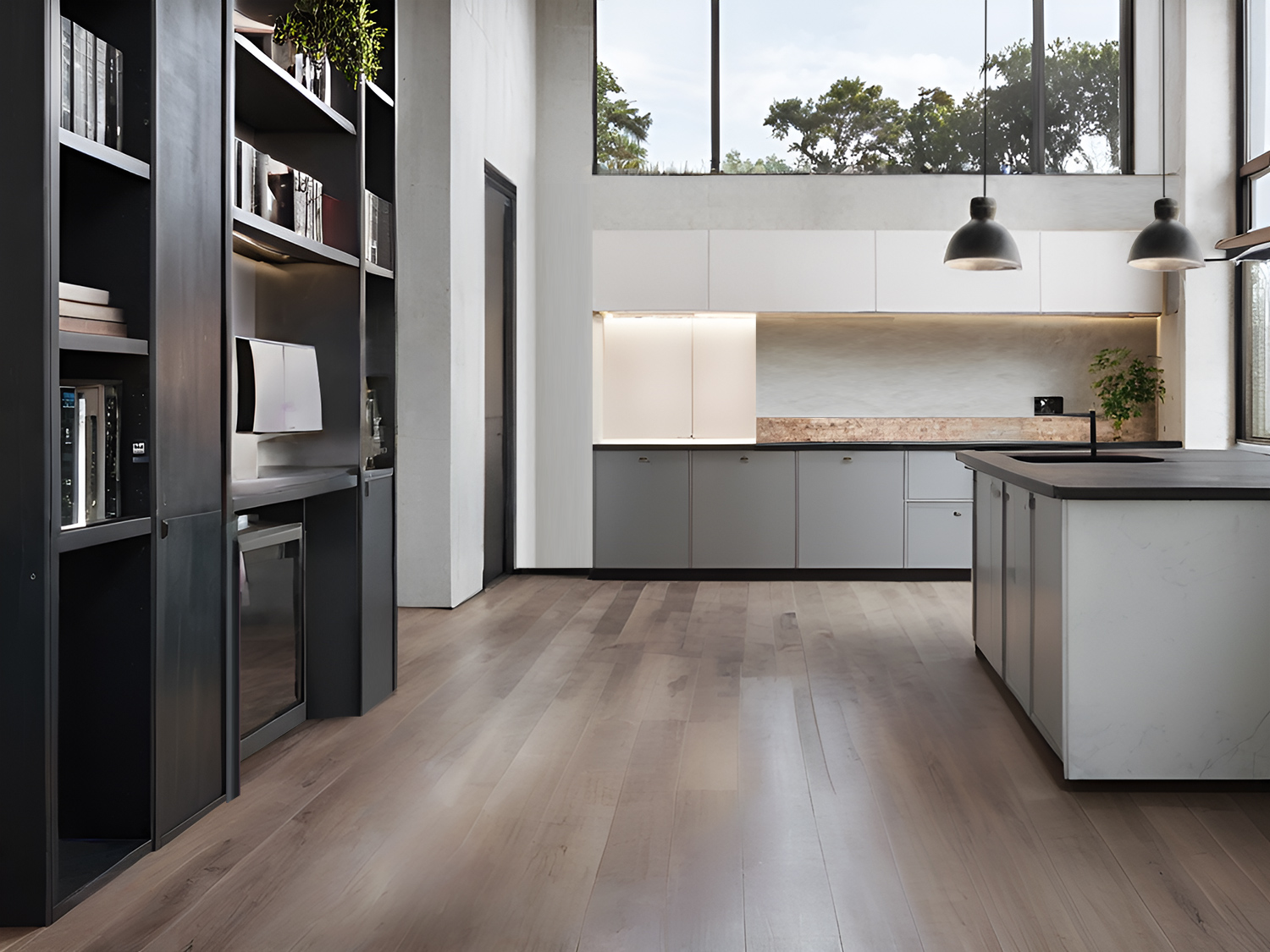
What Makes Kitchen Cabinets Sustainable
Sustainability in kitchen cabinets is defined by a combination of materials, manufacturing processes, performance, and lifecycle responsibility. It is not limited to one single factor but reflects an integrated approach to responsible production and use.
Eco-Friendly Materials
The use of ecologically friendly and ethically obtained materials is the foundation of eco-friendly kitchen cabinets.
• FSC-certified or responsibly managed wood
• Rapidly renewable materials such as bamboo
• Recycled or reclaimed wood-based panels
• Low-VOC boards, adhesives, and surface finishes
These materials reduce environmental impact while supporting healthier indoor environments. In modern projects, material transparency is increasingly important, especially for developers and commercial clients who must meet sustainability standards.
Low-impact Manufacturing Process
Apart from materials, the sustainability of a product also depends on its manufacturing method.
• Reducing energy consumption during the manufacturing process.
• Minimizing material waste and optimizing panel usage efficiency.
• Using water-based paints or low-volatile organic compound paints.
• Implementing a quality control system that can extend the product's lifespan.
High-quality sustainable cabinets are meticulously designed to be used for a longer period, thereby reducing the need for frequent replacements and minimizing the overall environmental impact throughout their usage cycle.
Durability as a Principle of Sustainability
When discussing sustainability issues, durability is often overlooked, but in fact, it plays a crucial role. Those cabinets that remain structurally sound, have good surface quality, and are fully functional over many years can significantly reduce waste production. Durable cabinets mean:
• Lower maintenance and replacement costs
• Higher customer satisfaction
• Reduced long-term environmental footprint
This is why sustainability and performance must be evaluated together rather than separately.
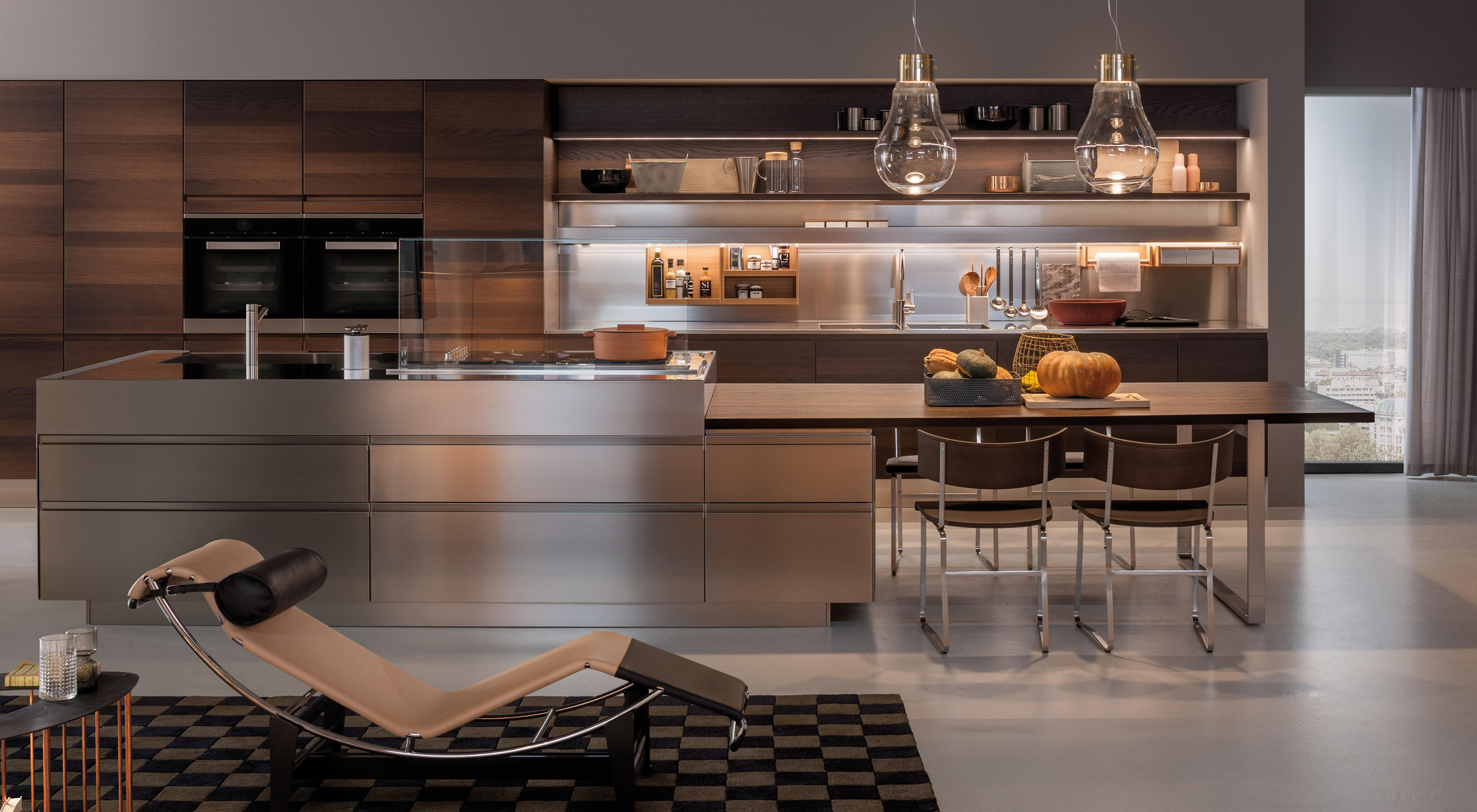
eco-friendly kitchen cabinets
Why Sustainable Kitchen Cabinets Align Perfectly with Modern Kitchen Design
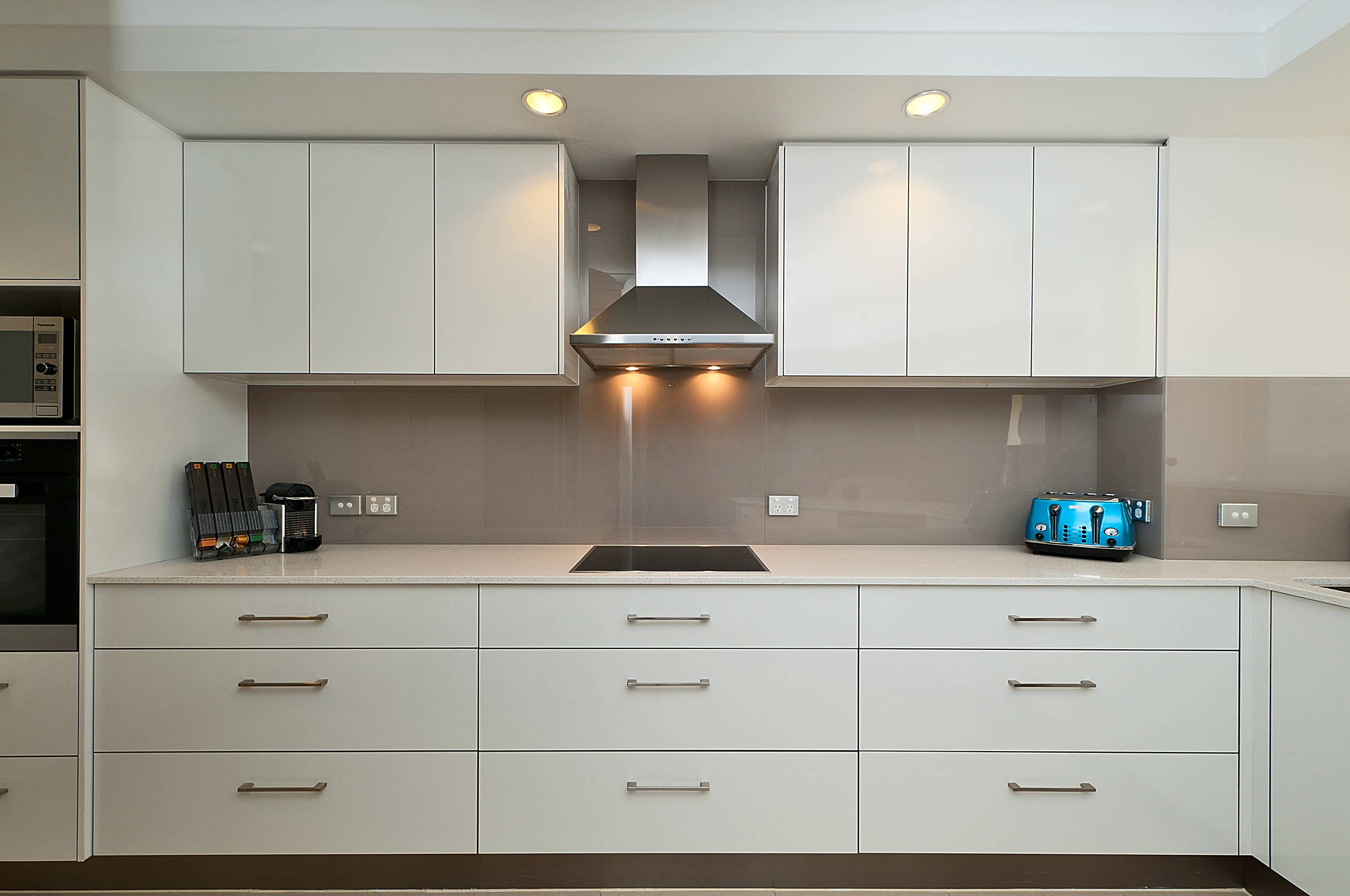
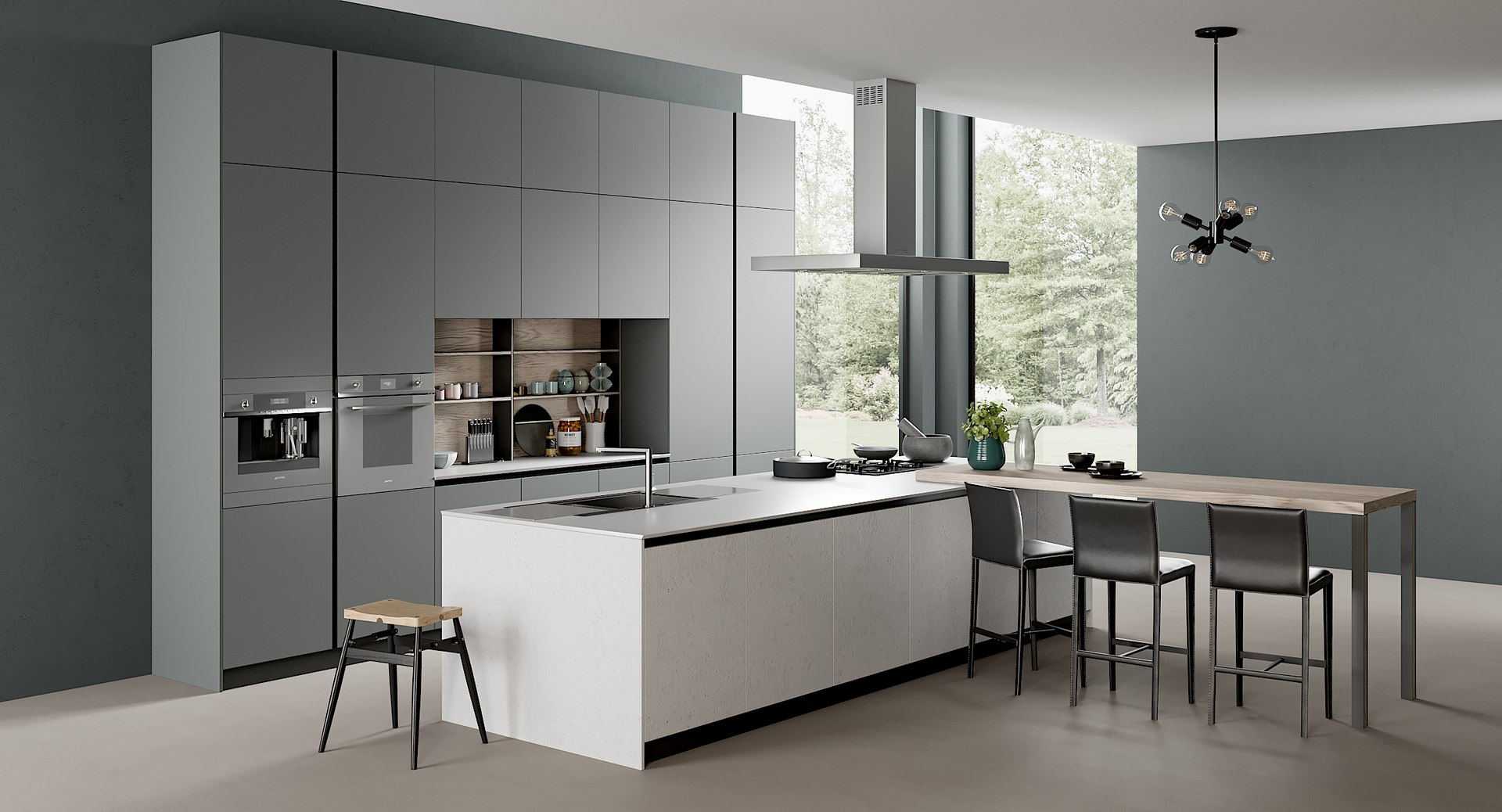
Sustainable kitchen cabinets align naturally with modern design because both prioritize simplicity, efficiency, and long-term value. Rather than limiting design flexibility, sustainability enhances modern aesthetics and functionality.
Clean Aesthetics and Natural Expression
Modern kitchens often emphasize clean lines, balanced proportions, and neutral color palettes. Sustainable materials complement these design goals by offering:
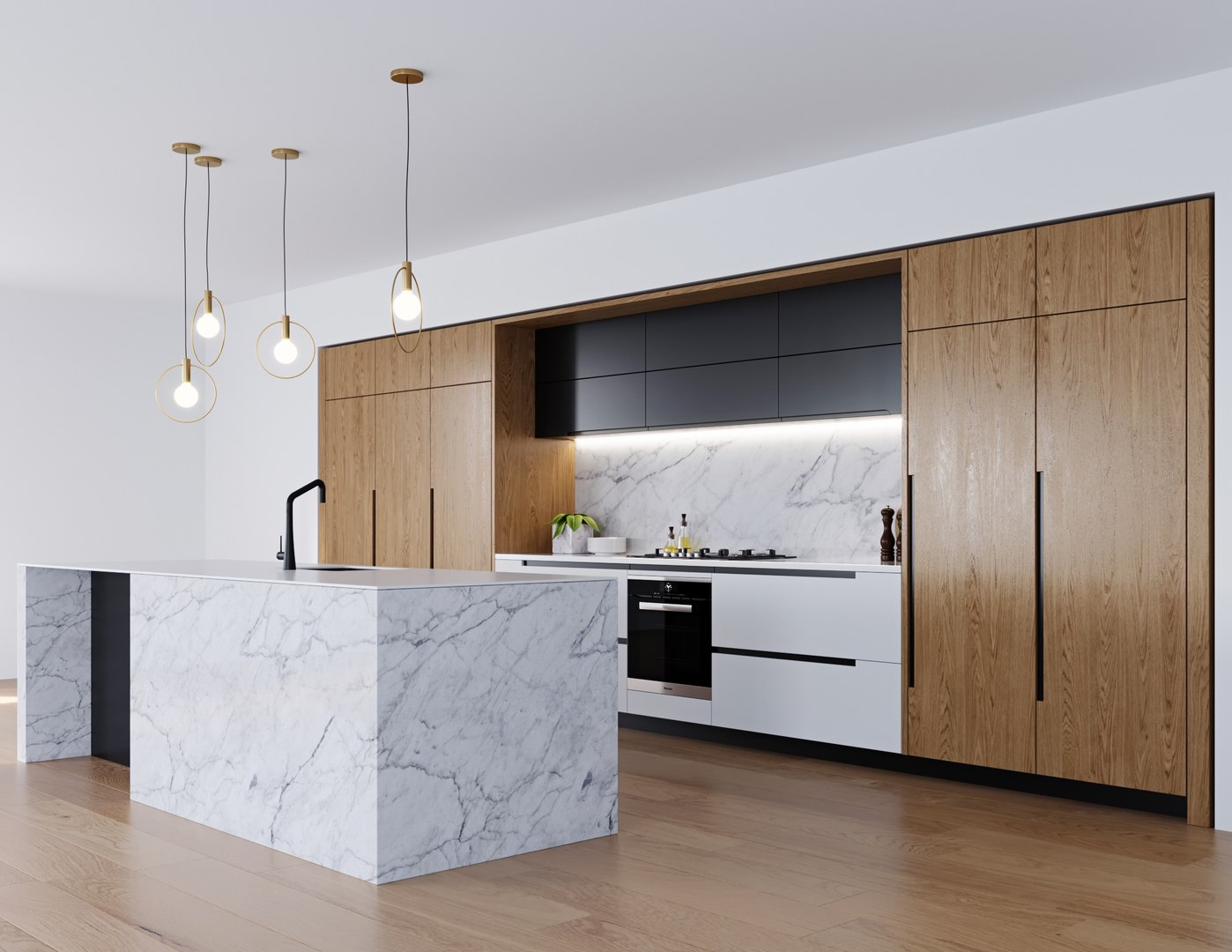
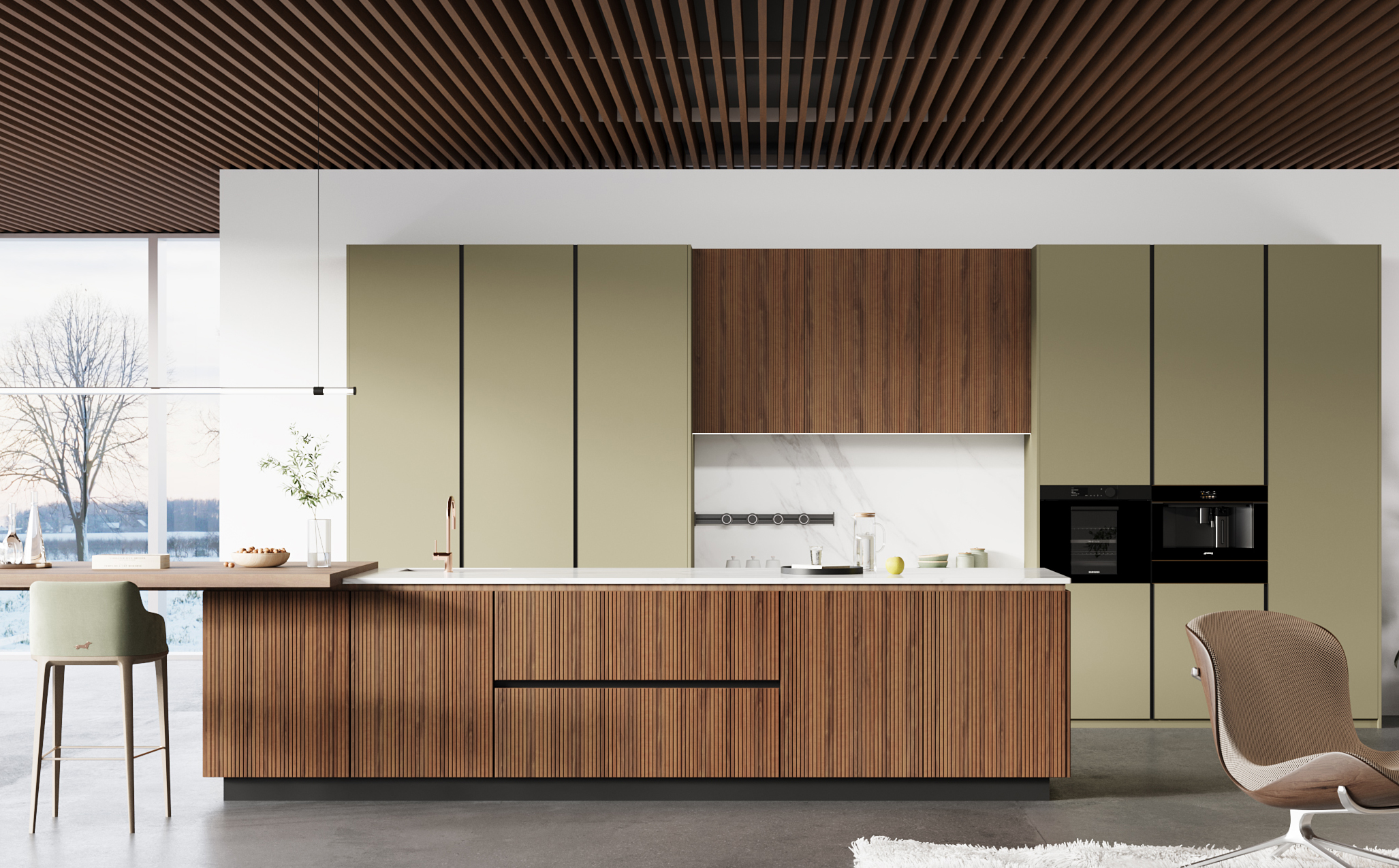
• Natural textures that enhance visual depth
• Subtle wood grains suited to minimalist interiors
• Matte and low-gloss finishes that reflect modern taste
Sustainability promotes authenticity in modern kitchen cabinet design. Natural materials and polished finishes contribute to settings that feel both current and timeless.
Flexibility Through Customization
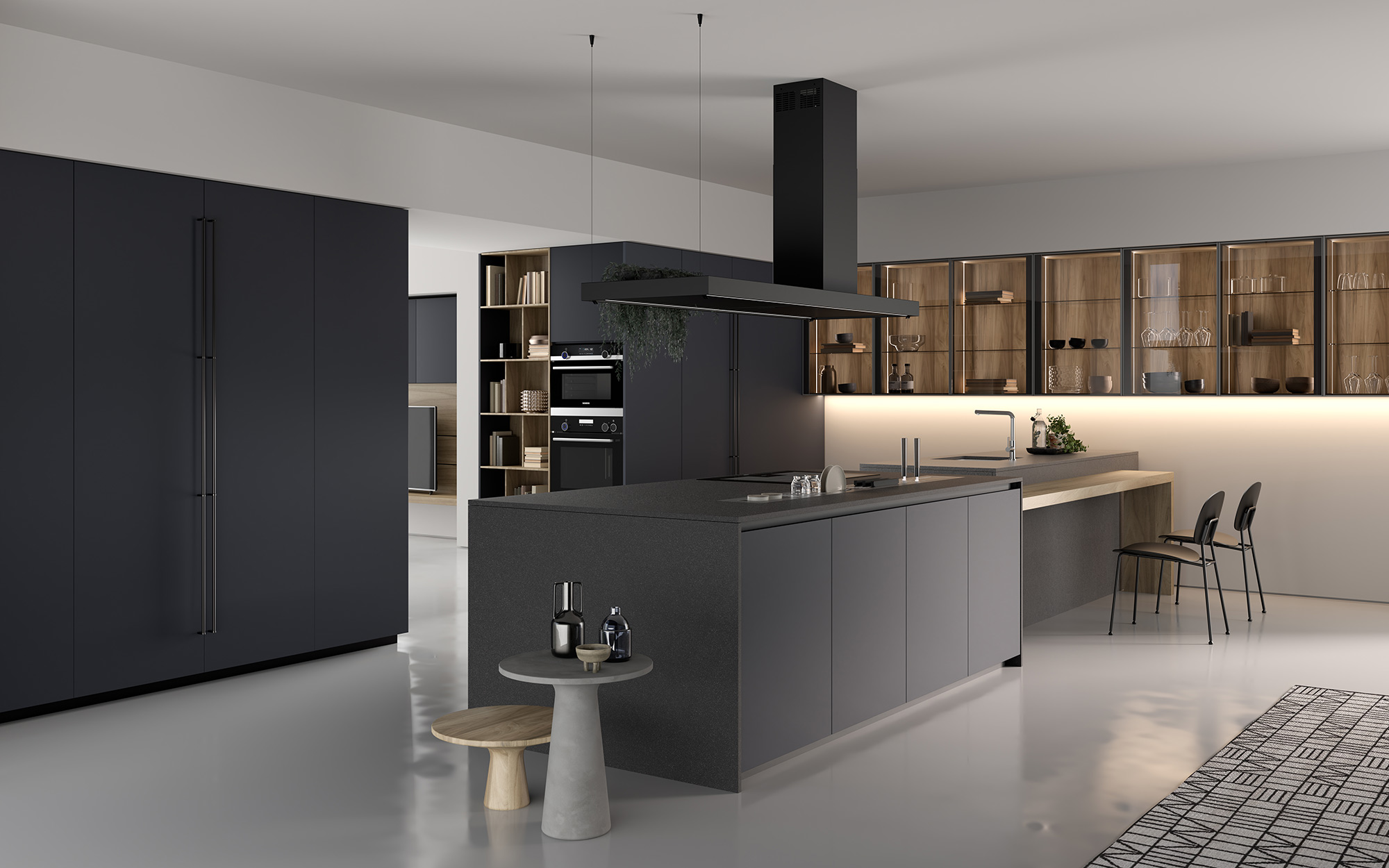
The sustainable kitchen cabinet system allows for highly individual customization without compromising environmental ideals. Materials can be used more effectively with exact size planning, resulting in a significant reduction in waste during manufacturing. Simultaneously, the customized storage arrangement enables cabinets to be constructed based on actual usage requirements rather than being constrained to conventional modules. This improves functionality and space utilization. The versatile surface treatment and decoration methods ensure that the sustainable cabinets complement a wide range of current kitchen design trends. The seamless connection with current appliances and smart kitchen systems ensures that contemporary kitchens perform and are convenient.
The Role of Custom Sustainable Cabinets in Future Kitchen Projects
Customization is becoming essential in future kitchen projects, and sustainability enhances the value of custom cabinet solutions.
Sustainable Custom Cabinets Across Project Types
Custom sustainable cabinet solutions are increasingly applied in various scenarios.
• Residential housing projects focused on long-term value.
• Apartment complexes aiming to meet green building standards.
• Hospitality projects prioritizing durability and brand identity.
• Mixed-use developments requiring consistent design language.
In each case, sustainable kitchen cabinets provide a balance between environmental responsibility and commercial practicality.
Long-Term Value for Developers and Contractors
From a business perspective, sustainable custom cabinets offer measurable advantages.
• Reduced lifecycle costs due to durability.
• Stronger compliance with environmental regulations.
• Improved project reputation and market positioning.
• Higher perceived value for end users.
These benefits make sustainable custom cabinetry a strategic investment rather than a cost-driven decision.
How to Choose Sustainable Kitchen Cabinets for a Modern Kitchen
Selecting the right sustainable cabinet solution requires evaluating both environmental performance and design compatibility.
Key Factors to Consider
Before specifying cabinets for a project, it is important to assess:
• Material certifications and sourcing transparency.
• Compatibility with modern kitchen design aesthetics.
• Manufacturing quality and durability standards.
• Flexibility for customization and future adaptation.
Balancing these factors ensures that sustainability does not compromise functionality or visual appeal.
Evaluating Design and Function Together
In modern kitchens, cabinets must support both form and function. Effective modern kitchen cabinets design considers:
• Seamless integration with layouts and appliances.
• Efficient internal storage solutions.
• Consistent surface finishes across different modules.
• Ergonomic access and user-friendly features.
Sustainable cabinets should enhance these aspects rather than limit them.
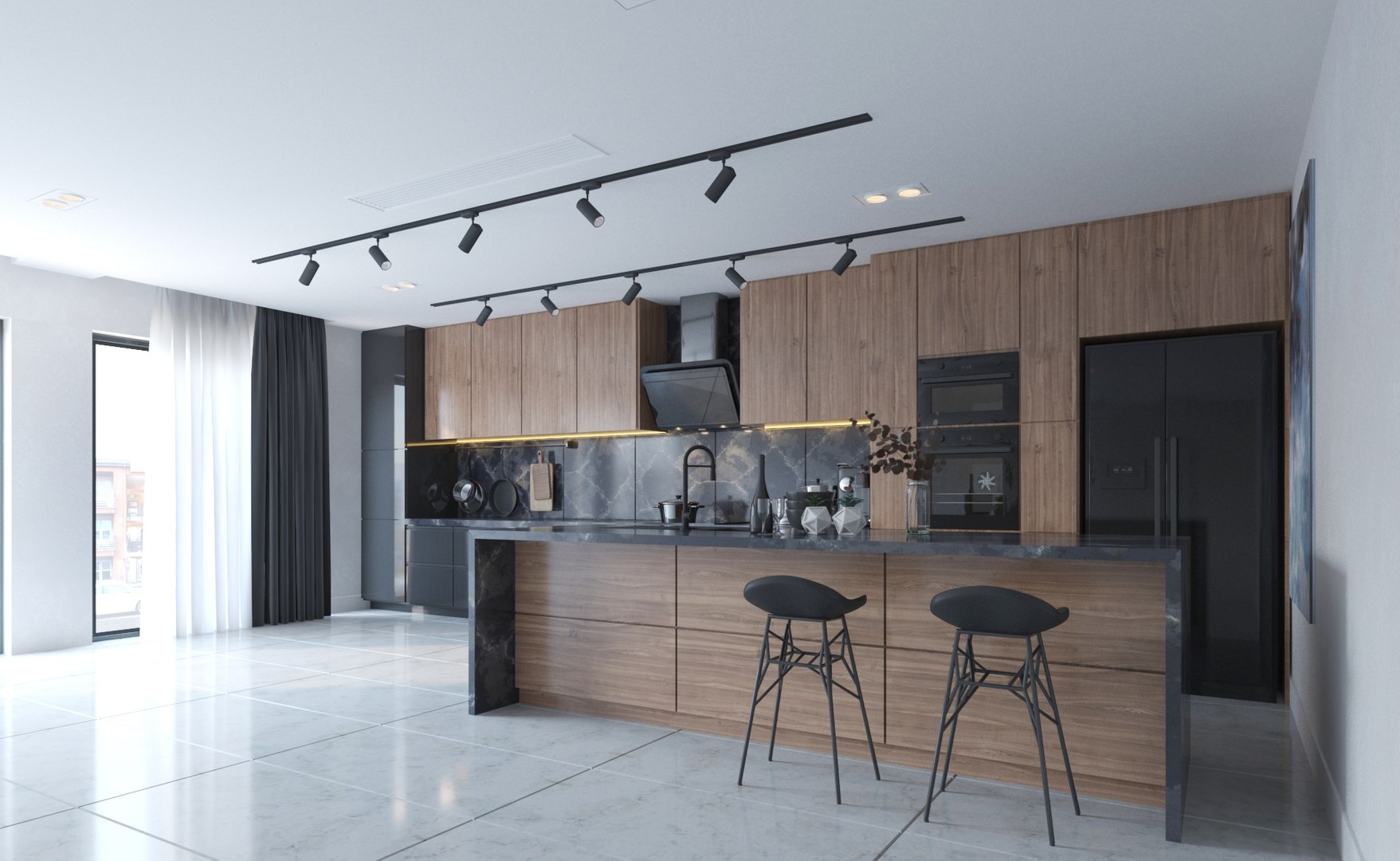
custom kitchen cabinets
Choosing the Right Manufacturing Partner
The choice of manufacturer is as important as the product itself. A reliable sustainable cabinet partner should offer:
• Clear sustainability standards and documentation.
• Proven experience with eco-friendly kitchen cabinets.
• Strong customization capabilities.
• Stable production capacity and quality control.
Collaboration with the right supplier ensures consistent results across multiple projects and long-term partnerships.
Conclusion
Sustainable kitchen cabinets represent the future of modern kitchen design because they align environmental responsibility with aesthetics, performance, and customization. As kitchens continue to evolve into integrated living spaces, cabinets must support not only visual appeal but also long-term sustainability goals.
By combining modern kitchen design principles with flexible, eco-friendly cabinet solutions, AIS Kitchen is well positioned to contribute to the next generation of sustainable kitchen spaces.
FAQ
Q1: Are sustainable kitchen cabinets more expensive than traditional options?
A1: While initial costs may be slightly higher, sustainable cabinets often deliver better long-term value through durability, reduced maintenance, and longer service life.
Q2: Do eco-friendly kitchen cabinets limit design options?
A2: No. Modern sustainable materials and manufacturing methods support a wide range of finishes, layouts, and modern kitchen cabinet design styles.
Q3: Can sustainable cabinets be fully customized?
A3: Yes. Custom kitchen cabinets can be designed using sustainable materials while maintaining full flexibility in size, configuration, and appearance.
Q4: How do sustainable cabinets support modern kitchen design?
A4: They complement modern aesthetics through clean lines, natural materials, minimalism, and efficient use of space, all while reducing environmental impact.